Testing page for app
-
 The new system at the US Department of Energy’s Argonne National Laboratory achieved more than a quintillion calculations per second.
 -
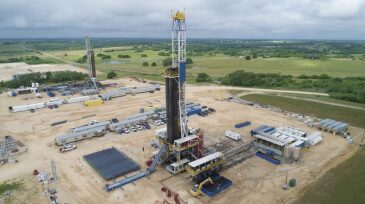
The Houston-based independent will become the top producer in the Eagle Ford Shale with an output of 400,000 BOE/D and is eyeing 1,000 wells to refracture.
-
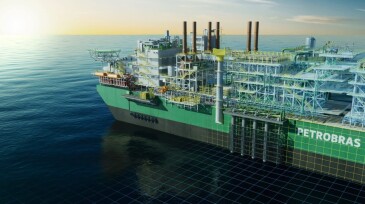
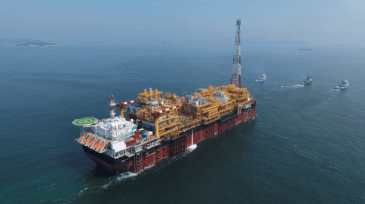
The set of new-generation FPSOs will be delivered in 2029 equipped with technologies that can cut greenhouse emissions by 30% given the unit’s all-electric configuration.
-
Definition and call for participation in the 11th Society of Petroleum Engineers Comparative Solution Project, which is motivated by the immense challenge of achieving geological carbon storage at a scale that impacts significantly atmospheric emission of carbon dioxide.
-
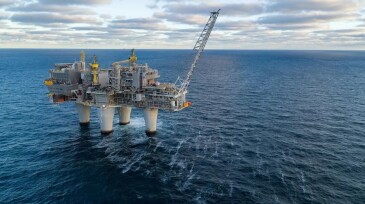
The first wells from the current North Sea development project are expected online in 2026.
-
Years in the making, the program sponsored by the US Department of Energy is celebrating its latest geothermal energy breakthrough in southwestern Utah.
-
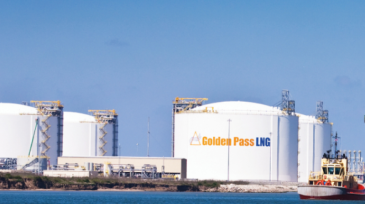
Chiyoda, CB&I discussing how to complete the expansion project, which is expected online this year.
-
In February 2024, SPE fielded a survey to all professional and student members and recent former members. A record 9,706 assessments were completed—the highest participation across any of SPE’s previous membership surveys. Members from around the world and all age groups participated, representing a diverse set of feedback.
-
TotalEnergies announced on 21 May the final investment decision for the deepwater Kaminho project offshore Angola, aiming for first oil by 2028.
-
A new report finds the need for political, regulatory, and fiscal alignment to ensure a just and fair transition.