Testing page for app
-
 The decision keeps the effective tax rate on upstream projects at 78%, prompting new warnings that investments will continue to dwindle in the UK Continental Shelf.
 -
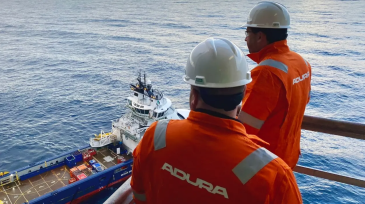
Adura will become the UK North Sea’s largest independent producer by combining 12 key oil and gas assets, employing around 1,200 staff. It aims to produce more than 140,000 BOED in 2026.
-
The SPE Benin City Section celebrated its 35th section anniversary in July by combining its annual general meeting with a dinner and awards night.
-
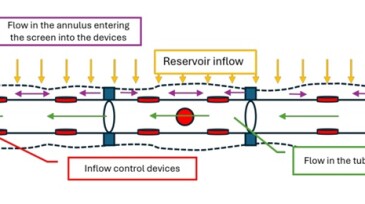
This paper compares various drainage strategies and well completion configurations on the installation of inflow control technology by considering energy efficiency.
-
SponsoredIn oil and gas operations, every decision counts. For more than 2 decades, SiteCom has been the trusted digital backbone for well operations worldwide, driving insight, collaboration, and efficiency.
-
SPE technical papers synopsized in each monthly issue of JPT are available for download for SPE members for 2 months.
-
The capability of modern wellbore surveying to increase asset value through improved subsurface modeling and completion-equipment placement is being overlooked by managers of operating companies.
-
This study presents a novel hybrid approach to enhance fraud detection in scanned financial documents.
-
This paper describes a decision-support system that integrates field data, system specifications, and simulation tools to quantify system performance, forecast operational challenges, and evaluate the effect of system modifications in water management.
-
This paper provides insight into existing tools, methodologies, and processes that can help any capital project or organization improve predictability of outcome while mitigating risks and exploiting opportunities effectively.