Testing page for app
-
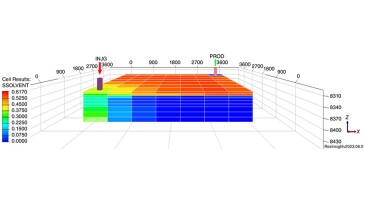
 The authors present an open-source framework for the development and evaluation of machine-learning-assisted data-driven models of CO₂ enhanced oil recovery processes to predict oil production and CO₂ retention.
 -
The world’s reliable engine of crude demand growth is stalling out, and its impact on the upstream market is already being felt.
-
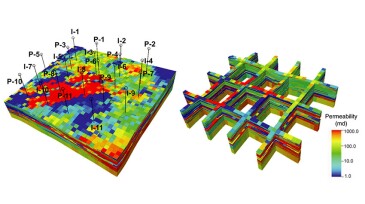
The authors of this paper propose hybrid models, combining machine learning and a physics-based approach, for rapid production forecasting and reservoir-connectivity characterization using routine injection or production and pressure data.
-
-
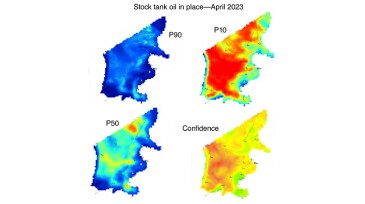
This paper focuses on the vital task of identifying bypassed oil and locating the remaining oil in mature fields, emphasizing the significance of these activities in sustaining efficient oilfield exploitation.
-
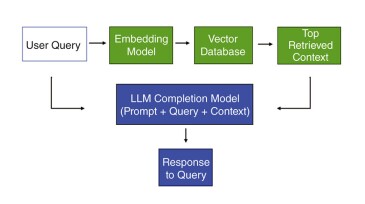
This paper tests several commercial large language models for information-retrieval tasks for drilling data using zero-shot, in-context learning.
-
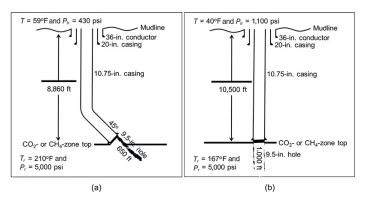
In this paper, a dynamic multiphase-flow simulator is used to evaluate the effectiveness and suitability of using a subsea capping stack to respond to a CO₂ well blowout.
-
In this study, artificial-intelligence techniques are used to estimate and predict well status in offshore areas using a combination of surface and subsurface parameters.
-
Geothermal energy in the US has historically been concentrated in the West due to favorable geology, but emerging technologies have expanded the possibilities.
-
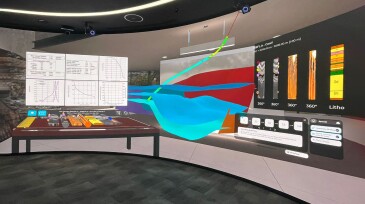
Virtual reality and related visualization technologies are helping reshape how the industry views 3D data, makes decisions, and trains personnel.