Testing page for app
-
 The collaboration will combine Lytt’s fiber-optic data analytics and cloud-based software with Baker Hughes’ completions and well intervention hardware.
 -
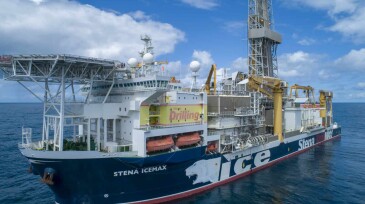
E&P independent Energean has awarded Halliburton a contract to provide services for drilling up to five wells offshore Israel in collaboration with Stena Drilling.
-
The downtime of manufacturing machinery, engines, or industrial equipment can cause an immediate loss of revenue. Reliable prediction of such failures using multivariate sensor data can prevent or minimize the downtime. With the availability of real-time sensor data, machine-learning and deep-learning algorithms can learn the normal behavior of the sensor systems, dis…
-
ADIPEC 2021 will be the first major energy exhibition and conference taking place after COP26, where CEOs, government ministers from around the world, and energy experts will set out the future of the sector.
-
Hiber, an industrial Internet-of-Things startup, announced that it has signed an agreement with Shell to provide well-integrity monitoring solutions globally.
-
Privacy concerns about AI systems are growing. So researchers are testing whether they can remove sensitive data without retraining the system from scratch.
-
Operator hands out early engineering contracts to its alliance partners related to Norwegian North Sea development.
-
New case studies from this year's Offshore Europe were a reminder of how sustaining subsea reservoirs as they age often calls for determined and innovative engineers.
-
Applications will now be reviewed, and licenses will be awarded sometime in 2022.
-
The ATCE Startup Village is a partnership between SPE and the Rice Alliance for Technology and Entrepreneurship at Rice University. Find out which firms took this year's top honors during the annual competition.