Testing page for app
-
The author discusses the papers in this issue, which address three topics: water treatment, pipeline embedment, and weight growth of offshore facilities during design.
-
 Adapting to the New Normal in Oil and Gas Construction: How the Market Will Endure Growing PressuresIn February, President Obama vetoed legislation that would approve the construction of TransCanada’s Keystone XL Pipeline. The 7-year regulatory saga is emblematic of the regulatory and public relations burdens on US energy projects. With the rejection of the bill, the burden will grow.
-
The SPE Gulf Coast Section’s Projects, Facilities, and Construction study group presented sessions during its spring lecture series on experts’ discussions of the processes involved in metering measurements.
-
Jimmie Riesenberg, senior process adviser and separations lead at Chevron, discussed the finer points of a scrubber design in a presentation held by SPE Separations Technology Technical Section.
-
Though a best practice for sustainable hydraulic fracturing operations, using nonpotable water creates an environment in which microorganisms thrive. If left unchecked, bacteria can affect the environment and the economic viability of the hydraulic fracturing operation.
-
Many companies are seeking 20% to 50% reductions in project costs. This level of capital cost reduction requires serious rethinking of the strategy for developing and executing projects.
-
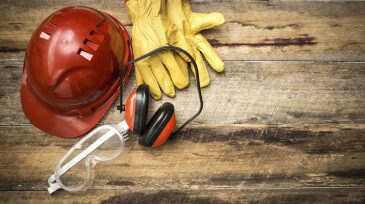
Gone are the days when missing a few fingers is a badge of honor in the oilpatch. Author, Distinguished Lecturer and Consultant Ken Arnold discusses how far the the industry has come in prioritizing safety, and what more can be done to improve it.
-
Though the projects that have already been sanctioned will ensure that spending in the FPS sector will remain high over the forecast period, the growth in FPS market is significantly less than expected due to the collapse in oil prices, and installations in 2018 will decline.
-
New technologies, practices, computer modeling, and design may help to improve the methods for the condition assessment and management of life cycle for risers. As area of recent study has addressed methods to improve the prediction of the riser annulus environment.
-
SPE Distinguished Lecturer Joseph Frantz, Jr. says stakeholder opinions will shape the future of hydraulic fracturing.