Testing page for app
-
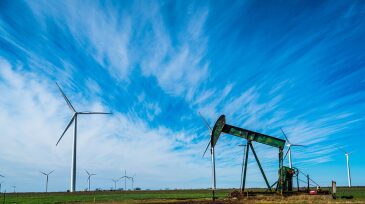
 Many major oil and gas operators have announced their intentions to achieve various emissions goals. Obviously, the transition cannot be achieved with a simple flip of a switch and will require some time.
 -
This is a particularly hard column to prepare. It is early October and I had hoped to tell you how being an SPE member and being an active part of SPE was part of your professional responsibilities/duty. It is, but we will save that discussion for later.
-
Groups of wells communicate, interfere, and hit each other. It is an unruly scene that can offer benefits. Three stories look at why competing fracture networks can add to the production from rock that might otherwise be missed.
-
Digitalization and automation successes are here to stay. Instead of making small incremental steps in well construction operations, allowing disruptive shifts can lead to tangible performance gains in efficiency, safety, and well integrity.
-
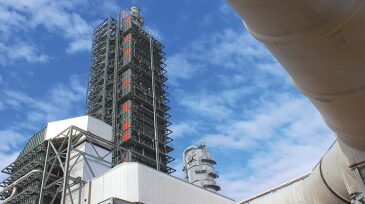
The challenge is immense, but the promise is, too. If the oil and gas business can scale up CO2 EOR, then it can play a very big role in mitigating climate change while offering carbon-negative fuels.
-
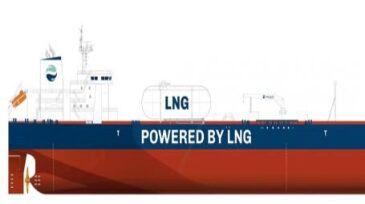
The charter agreement for the LNG-propulsion vessels is in line with Total’s Climate Ambition and will cut down on several emissions.
-
The two largest oil companies in the US are shedding thousands of employees and contractors to cope with a steep decline in demand.
-
The oil and gas industry has picked up on the benefits of digitization and artificial intelligence in its day-to-day activities, and the health, safety, and environment sector is no exception. While AI brings clear benefits, the risks that come with those benefits remain unclear.
-
More than half of the oil and gas production in the region is shut in.
-
The Eddy State Complex adds 300,000 B/D of recycled produced-water treatment capacity in the northern Delaware Basin. The company said it is on track to recycle 25 million bbl of produced water this year.