

Latest News
-
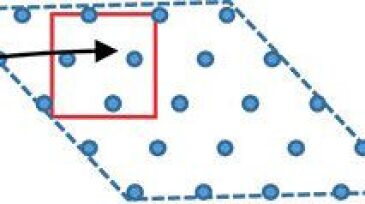
 A new geostatistics modeling methodology that connects geostatistics and machine-learning methodologies, uses nonlinear topological mapping to reduce the original high-dimensional data space, and uses unsupervised-learning algorithms to bypass problems with supervised-learning algorithms.
 -
Artificial intelligence has come to the oil patch, accelerating a technical change that is transforming the conditions for the oil and gas industry’s 150,000 US workers.
-
Testing will be performed at DNV’s labs in Columbus, Ohio, and Norway and overseen by experts in fatigue of subsea equipment, bolting connections, cathodic protection, and instrumented tests.
-
A new report predicts that US output will rise to a new record high of 12.1 million B/D in 2020.
-
Unconventional development has made it clear to Erdal Ozkan that conventional theory overlooks a lot of potentially productive rock. He talks about looking for ways to do better as part of JPT’s tech director report.
-
Expectations from data analytics in the upstream sector continue to evolve. Although the number and diversity of applications continue to increase, the adoption at the assetwide level faces well-known barriers and challenges.
-
When you think of “data science” and “machine learning,” do the two terms blur together? This article will clarify some important and often-overlooked distinctions between the two to help better focus learning and hiring.
-
In need of an exploration boost, Norway doled out a record 83 production licenses in mature areas of the Norwegian Continental Shelf to 33 firms.
-
Skybox Datacenters has signed a 15-MW lease with a client that will host a supercomputer in its Houston facility. The client expects the system to beat Summit, the US Department of Energy supercomputer that is currently considered the world’s fastest.
-
The ability to predict the future to optimize operations has been the aim of oil and gas companies for some time. Could that time finally be here?
-
Batch data processing is extremely challenging. It’s time-consuming, brittle, and often unrewarding. This story explores how applying the functional programming paradigm to data engineering can bring clarity to the process.
-
An increasingly buzzy term tossed around at industry events, “digital twin” is leveraging data analytics, machine learning, and artificial intelligence to improve efficiencies from design to decommissioning.





Explore Content by Discipline
Trending Content


Get JPT articles in your LinkedIn feed and stay current with oil and gas news and technology.