

Latest News
-
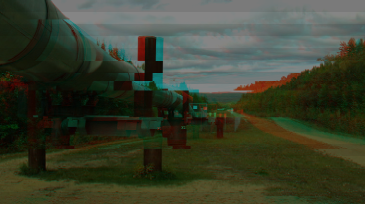
 According to a report published by the Government Accountability Office, the Transportation Security Administration employs only six full-time staffers for its pipeline security branch.
 -
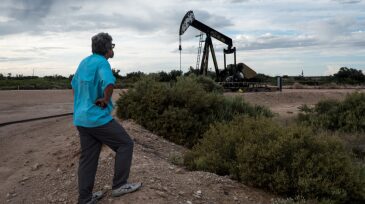
Carlsbad, New Mexico, residents are experiencing health effects, but the science behind their woes lags behind the pace of drilling.
-
Some environmentalists and community activists have demanded the commission stop issuing permits until the new rules are complete.
-
Aberdeen’s Opex Group and an industrial behavioral psychologist are designing a tool that will combine data from diagnostic surveys with historical data on oil and gas accidents and spills.
-
Qatar Petroleum has awarded McDermott with the FEED contract for the offshore pipelines and topsides facilities of its North Field Expansion Project. The scope of the deal includes engineering design for eight unmanned wellhead platform topsides, four 38-in. trunk lines, and four 28-in. intrafield lines. It is expected to take 12 months to complete. McDermott had prev…
-
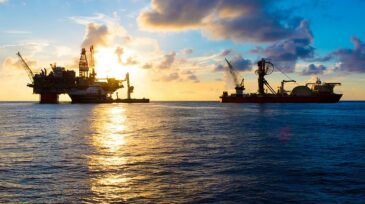
The deepwater Gulf of Mexico project is expected to add 50,000 B/D of oil production through the construction of two new subsea production units and production wells.
-
Natural-gas production in the United States has increased 46% since 2006, but there has been no significant increase of total US methane emissions and only a modest increase from oil and gas activity, according to a new NOAA study.
-
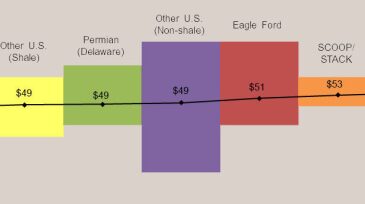
If the benchmark oil price is $10/bbl higher than the breakeven price for production that means companies are making good money, right? Maybe, but it’s hard to know what goes into a breakeven price.
-
Appomattox begins production below cost and ahead of schedule in another optimistic sign of the offshore sector’s rebound.
-
The decision may alleviate some of the pressures oil and gas producers faced in the wake of their imposition last year. Canada and Mexico made up a combined 20% of US imports of oil country tubular goods in 2017.
-
Studies conducted through collaboration between an operator that knows the physical reality and a data-science company that knows the best machine-learning methods yield good practical results.
-
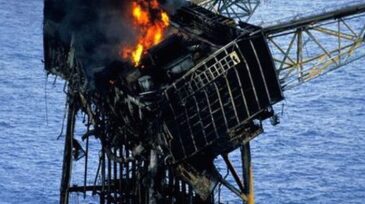
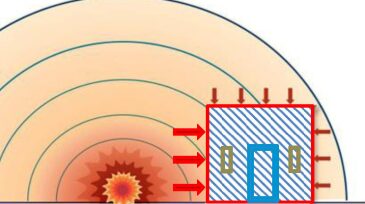
Buildings that are manned or house critical equipment ideally will be a safe distance from potential explosions. Maintaining the required stand-off distance, however, is not always possible. This paper discusses challenges and best practices for blast protection of plant buildings.


Explore Content by Discipline
Trending Content


Get JPT articles in your LinkedIn feed and stay current with oil and gas news and technology.