

Monthly Features
-
 Oil prices are high, but spending has not caught up—yet. Meanwhile, exploration strategies are changing around the world toward a lower-risk model, and the frenzied pace of US M&A has very much cooled off.
 -
 This case study outlines a full-scale testing program focused on the behavior of thermal casing connections subjected to severe bending and low-cycle fatigue loading.
 -
 With millions of wells having been drilled in the US since the beginning of the oil age, the land is pocked with old, unused wellbores. For most, repurposing is a pipe dream. Plugging is the best option.
 -
 Disposal wells remain the lowest-cost solution for produced water, but concerns over seismicity and long-term sustainability are accelerating interest in alternatives.
 -
 This case study from Malaysia’s Petronas outlines a comprehensive review of perforation-charge testing across various tubular and reservoir conditions to help improve production from complex downhole scenarios.
 -
 As managed pressure drilling gains traction, its principles are influencing a wider range of well-construction activities.
-
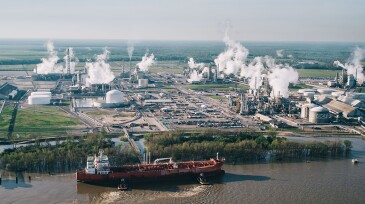
 At the center of a rush to build carbon storage is the state of Louisiana, where the number of applications to build long-term storage is equal to half the sites operating globally.
 -
The recent Permian Basin earthquakes in Texas are keeping producers, regulators, and service providers busy in their quest to reduce the intensity and frequency of the induced seismic events.
-
One of the problems with geothermal is that the rock that is hot enough to create the steam needed to run a power plant is also capable of destroying drilling hardware.
-
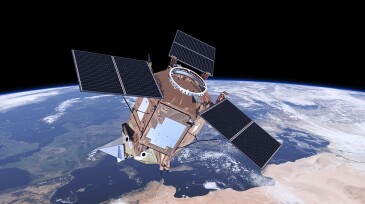
Satellite imaging of methane emissions offers the fossil fuel industry the empirical data it needs to fix problems that companies might not even know they have before the EPA starts to levy fines in 2024.
-
Industry leaders are harnessing the power of data to improve efficiencies, eliminate nonproductive time, and reduce Capex.
-
Before 2012, water management for unconventional oil and gas plays was in its infancy and was trying to keep up with operations. Today, many of the initial challenges have been resolved but new challenges persist. What does the future hold for water in the US onshore unconventional plays?
-
A pair of innovative field development strategies are helping tame the wild, wild Permian Basin.
-
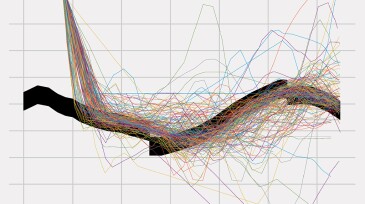
Geosteering is supposed to ensure the wellbore stays in the most-productive zone, but a recent study suggests it often misses the mark.
-
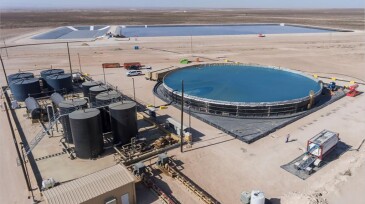
The produced water conundrum in the Permian Basin will be solved by a mix of recycling, disposal, and future breakthroughs in technology currently being studied.
-
Makers of continuous sucker rods are out to convince customers that it really is possible to make a better sucker rod that could save them some money.

Explore Content by Discipline
Stay Ahead With JPT Newsletters
JPT Newsletter (Weekly).
Essential global industry news, technology developments, and market trends delivered to your inbox.
JPT Unconventional Insights (Monthly).
Global perspectives and expert analysis on shale, tight oil, and emerging unconventional plays.
Get JPT articles in your LinkedIn feed and stay current with oil and gas news and technology.