

Monthly Features
-
 Oil prices are high, but spending has not caught up—yet. Meanwhile, exploration strategies are changing around the world toward a lower-risk model, and the frenzied pace of US M&A has very much cooled off.
 -
 This case study outlines a full-scale testing program focused on the behavior of thermal casing connections subjected to severe bending and low-cycle fatigue loading.
 -
 With millions of wells having been drilled in the US since the beginning of the oil age, the land is pocked with old, unused wellbores. For most, repurposing is a pipe dream. Plugging is the best option.
 -
 Disposal wells remain the lowest-cost solution for produced water, but concerns over seismicity and long-term sustainability are accelerating interest in alternatives.
 -
 This case study from Malaysia’s Petronas outlines a comprehensive review of perforation-charge testing across various tubular and reservoir conditions to help improve production from complex downhole scenarios.
 -
 As managed pressure drilling gains traction, its principles are influencing a wider range of well-construction activities.
-
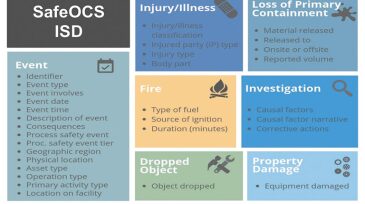
 In the aftermath of the Deepwater Horizon oil spill, the oil and gas industry, regulators, and other stakeholders recognized the need for increased collaboration and data sharing to better identify safety risks and address them before an accident occurs.
 -
A presentation at the 2020 Offshore Technology Conference Asia described a study of unmanned aerial vehicles operated by off-site pilots based in remote control centers many miles from the facility.
-
The UK offshore Lancaster field was to prove that complex basement formations could be profitably developed. Instead, it is a reminder of how a long-term production test can drastically alter a reservoir model built upon years of exploration work.
-
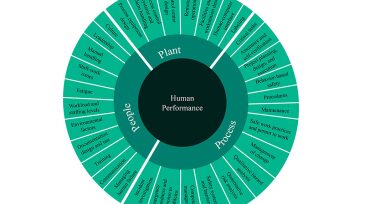
Competency in human factors is all too often focused on frontline operators, and the importance of human-factors skills among other groups is unappreciated. To be truly effective, human-factors principles have to be implemented throughout an organization.
-
In 2020, several changes were made to increase the usability of the annual SPE Membership Salary Survey. Among the added highlights, the 2020 survey offers new analyses of compensation by engineering title and overall work experience.
-
Operators of unconventional plays face a conundrum—how to dispose of produced water economically without risking seismicity or aquifer contamination. A recent paper and virtual forum offer ideas for optimizing saltwater disposal.
-
Wellbore tortuosity is a term that has steadily increased in relevance to the oil and gas industry over the past decade, but its importance is especially clear in the current environment.
-
The success of any digital oilfield project is predicated on the quality of the data structure, acquisition, communication, validation, storage, retrieval, and provenance of the data.
-
Groups of wells communicate, interfere, and hit each other. It is an unruly scene that can offer benefits. Three stories look at why competing fracture networks can add to the production from rock that might otherwise be missed.
-
A recent datathon and the team that took home the grand prize help paint a picture of both the industry’s’ digital transformation and how oil and gas engineers are embracing it to navigate uncertain times.







Explore Content by Discipline
Stay Ahead With JPT Newsletters
JPT Newsletter (Weekly).
Essential global industry news, technology developments, and market trends delivered to your inbox.
JPT Unconventional Insights (Monthly).
Global perspectives and expert analysis on shale, tight oil, and emerging unconventional plays.
Get JPT articles in your LinkedIn feed and stay current with oil and gas news and technology.