

Monthly Features
-
 Oil prices are high, but spending has not caught up—yet. Meanwhile, exploration strategies are changing around the world toward a lower-risk model, and the frenzied pace of US M&A has very much cooled off.
 -
 This case study outlines a full-scale testing program focused on the behavior of thermal casing connections subjected to severe bending and low-cycle fatigue loading.
 -
 With millions of wells having been drilled in the US since the beginning of the oil age, the land is pocked with old, unused wellbores. For most, repurposing is a pipe dream. Plugging is the best option.
 -
 Disposal wells remain the lowest-cost solution for produced water, but concerns over seismicity and long-term sustainability are accelerating interest in alternatives.
 -
 This case study from Malaysia’s Petronas outlines a comprehensive review of perforation-charge testing across various tubular and reservoir conditions to help improve production from complex downhole scenarios.
 -
 As managed pressure drilling gains traction, its principles are influencing a wider range of well-construction activities.
-
 Bottle tests are the preferred method to test petroleum emulsion stability in the industry today. A new technique using nuclear magnetic resonance (NMR) is available to evaluate both stability and demulsification behavior of emulsions.
 -
While drilling in deepwater Gulf of Mexico, a topdrive failure forced the shutdown of all drilling operations for the rig operator and lasted for 114 hours.
-
In an era where capital markets are hitting the brakes on funding the US shale sector, operators have increasingly pivoted from production growth to maximizing the rates of return via lower-cost wells.
-
A lot about the blowout preventers used for offshore drilling has changed since Macondo in 2010, but the essentials remain. This evolution serves as a case study on why some oilfield technology is hard to change.
-
Hit by the pandemic, the oil market crash, and the transition to a low-carbon energy future, exploration companies are spending bare budgets on near-term production and high-impact exploration.
-
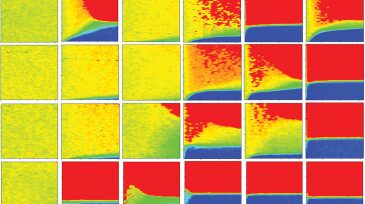
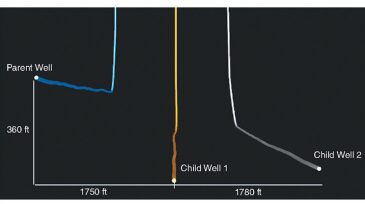
As wells across the US shale sector are brought back onto production, they may want to do so strategically to learn about the connectivity of their wells. One challenge will be in selecting a model that delivers the most insight.
-
Environment/social/governance (ESG) represents the integration of human values into the financial value of investments. The energy industry that emerges from the COVID-19 pandemic will be different from the one that entered it.
-
Its reward for years of struggling to adapt to low prices and weak demand for its oil and gas has been an epic crash. Canadians selling change say it is time to consider possibilities that seemed inconceivable in the past.
-
Autonomous Inflow Control Valve technology demonstrates significant benefits within first year.
-
The Offshore Technology Conference (OTC) selected 12 new technologies for its 2020 Spotlight on New Technology Awards. The annual awards program recognizes innovative technologies and allows companies to showcase the latest advances in offshore exploration and production.




Explore Content by Discipline
Stay Ahead With JPT Newsletters
JPT Newsletter (Weekly).
Essential global industry news, technology developments, and market trends delivered to your inbox.
JPT Unconventional Insights (Monthly).
Global perspectives and expert analysis on shale, tight oil, and emerging unconventional plays.
Get JPT articles in your LinkedIn feed and stay current with oil and gas news and technology.