

Monthly Features
-
 Oil prices are high, but spending has not caught up—yet. Meanwhile, exploration strategies are changing around the world toward a lower-risk model, and the frenzied pace of US M&A has very much cooled off.
 -
 This case study outlines a full-scale testing program focused on the behavior of thermal casing connections subjected to severe bending and low-cycle fatigue loading.
 -
 With millions of wells having been drilled in the US since the beginning of the oil age, the land is pocked with old, unused wellbores. For most, repurposing is a pipe dream. Plugging is the best option.
 -
 Disposal wells remain the lowest-cost solution for produced water, but concerns over seismicity and long-term sustainability are accelerating interest in alternatives.
 -
 This case study from Malaysia’s Petronas outlines a comprehensive review of perforation-charge testing across various tubular and reservoir conditions to help improve production from complex downhole scenarios.
 -
 As managed pressure drilling gains traction, its principles are influencing a wider range of well-construction activities.
-
 The formula for value in a shale play used to be simple, lease acreage in the best quality rock based on Tiers cover large areas. That standard is fading as it has become obvious that the rock is highly variable and the drilling and completion designs are just as important.
 -
A new report says that production growth in the world’s most prolific unconventional basin is on the verge of stalling out.
-
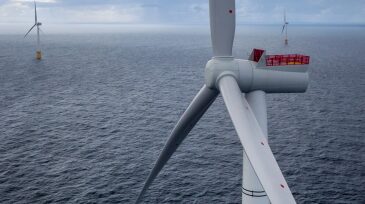
Offshore wind makes up less than 1% of the current energy mix, but analysts have it pegged as a potential trillion-dollar business in the near future. That growth presents an opportunity for operators to reduce costs and their carbon footprint through the electrification of their offshore platforms.
-
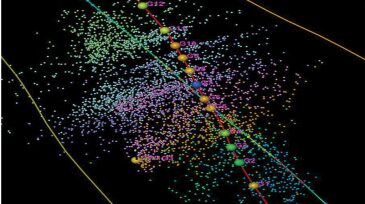
ConocoPhillips’ one-of-a-kind test site in the Eagle Ford studied core, image logs, proppant tracer, distributed temperature sensing, distributed acoustic sensing, and pressure, which shows that not all hydraulic fractures are created equal.
-
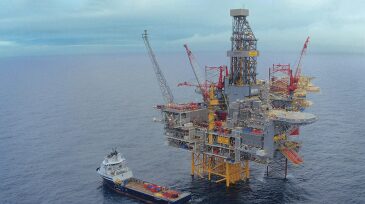
A proving ground for the use of digital twins has emerged in the North Sea. There, operators Total, Aker BP, and Shell have each developed and deployed twins that they expect to pay big dividends.
-
For the past 20 years, the diagnostic fracture injection test has been used across the frontlines of the shale revolution to paint a picture of what cannot be seen. However, that picture has not always been so clear in the eyes of subsurface engineers.
-
The industry is becoming increasingly complex, leading to changes in how universities approach education for undergraduate study.
-
Rapid scale-up of carbon capture, use, and storage is essential for meeting climate and emissions targets while not crippling economic growth. Yet, its potential remains largely untapped because of reasons that include growing pains of immature technologies and uncertainty around public policy.
-
Total compensation for SPE members this year has risen to its highest level since 2016, as the oil and gas industry continues to recover from the steep oil price downturn that began mid-decade.
-
The time it takes for a shale producer to drill a well has been a major focus for the past decade. A new report says the industry should place equal weight on how long it takes a well to actually deliver first oil.




Explore Content by Discipline
Stay Ahead With JPT Newsletters
JPT Newsletter (Weekly).
Essential global industry news, technology developments, and market trends delivered to your inbox.
JPT Unconventional Insights (Monthly).
Global perspectives and expert analysis on shale, tight oil, and emerging unconventional plays.
Get JPT articles in your LinkedIn feed and stay current with oil and gas news and technology.