

Monthly Features
-
 Oil prices are high, but spending has not caught up—yet. Meanwhile, exploration strategies are changing around the world toward a lower-risk model, and the frenzied pace of US M&A has very much cooled off.
 -
 This case study outlines a full-scale testing program focused on the behavior of thermal casing connections subjected to severe bending and low-cycle fatigue loading.
 -
 With millions of wells having been drilled in the US since the beginning of the oil age, the land is pocked with old, unused wellbores. For most, repurposing is a pipe dream. Plugging is the best option.
 -
 Disposal wells remain the lowest-cost solution for produced water, but concerns over seismicity and long-term sustainability are accelerating interest in alternatives.
 -
 As managed pressure drilling gains traction, its principles are influencing a wider range of well-construction activities.
 -
 This case study presents the first field deployment of acoustic fracturing analysis to evaluate perforation efficiency and implement real-time interventions during pressure pumping.
-
 If the shale sector’s most complex problem can be solved, it will require companies to use their wells as a team. Newly detailed field work shows that a good defense is the key to success.
 -
The ideal well spacing is in the eye of the beholder. The decision depends on so many factors that machine learning is now trying to determine the best combination of ingredients.
-
As demand for petroleum engineers begins to rise, supply is dropping fast. It may be a good market for job seekers but things could get tougher for those doing the hiring.
-
Meet the group advancing digital technology adoption within one of the largest oil and gas producers in the US. Its aim is to cross-pollinate reservoir engineers with data scientists to create a 21st century workforce.
-
Petroleum industry professionals’ reported average compensation in 2018 shows an increase from this past year but is still lower than salaries before the oil price downturn that began in 2014.
-
The international major has been playing with intelligent programs for years, but this new deal shows that it is now ready to scale those efforts up to cover hundreds of thousands of pieces of equipment.
-
The 5-year-old software startup is getting noticed by the oil and gas industry for its ability to accelerate analytics projects by taking care of all the tedious work involved with data wrangling.
-
Fast-declining, older, unconventional oil wells require artificial lift experts to deal with and explore a population of miles-long horizontal wells that do not follow the established rules of thumb.
-
Fracturing two or more wells at the same time creates connections. While fracturing fluids reach out further, those ties create a stronger link, though not forever.
-
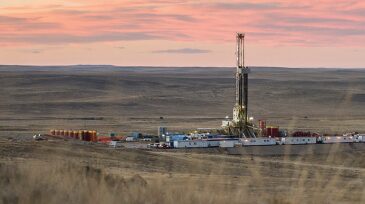
The Powder River Basin has emerged over the past year as the latest source of oil production growth for the Lower 48. Companies ranging from a reborn Samson Resources to US onshore mainstays Devon, Chesapeake, and EOG are now betting on the basin to become a long-term core asset.






Explore Content by Discipline
Stay Ahead With JPT Newsletters
JPT Newsletter (Weekly).
Essential global industry news, technology developments, and market trends delivered to your inbox.
JPT Unconventional Insights (Monthly).
Global perspectives and expert analysis on shale, tight oil, and emerging unconventional plays.
Get JPT articles in your LinkedIn feed and stay current with oil and gas news and technology.