

Monthly Features
-
 Oil prices are high, but spending has not caught up—yet. Meanwhile, exploration strategies are changing around the world toward a lower-risk model, and the frenzied pace of US M&A has very much cooled off.
 -
 This case study outlines a full-scale testing program focused on the behavior of thermal casing connections subjected to severe bending and low-cycle fatigue loading.
 -
 Disposal wells remain the lowest-cost solution for produced water, but concerns over seismicity and long-term sustainability are accelerating interest in alternatives.
 -
 With millions of wells having been drilled in the US since the beginning of the oil age, the land is pocked with old, unused wellbores. For most, repurposing is a pipe dream. Plugging is the best option.
 -
 This case study from Malaysia’s Petronas outlines a comprehensive review of perforation-charge testing across various tubular and reservoir conditions to help improve production from complex downhole scenarios.
 -
 This case study presents the first field deployment of acoustic fracturing analysis to evaluate perforation efficiency and implement real-time interventions during pressure pumping.
-
 How universities are investing in research and development to meet demand for new technologies in the search for hydrocarbons.
 -
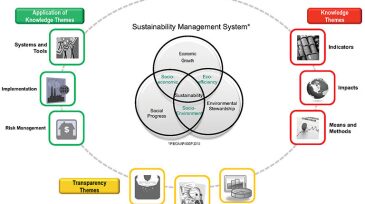
SPE creates a definition of sustainability for the international oil and gas industry.
-
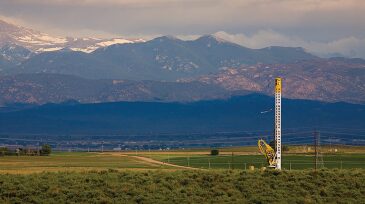
Beyond the Headlines: Connecting With Stakeholders Explaining operations to communities in the western United States.
-
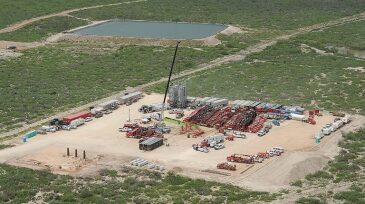
Hydraulically fracturing and stimulating multiple horizontal wells in sequence has been rapidly adopted by operators because of the potential for production without introducing unwanted risks.
-
Enhancing Your Career Through Technical Writing and Peer Review Developing good writing skills can boost your career.
-
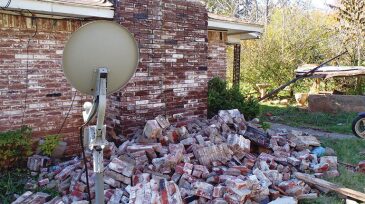
A sharp rise in seismic events in some areas of the United States where oil and gas production is booming is leading regulators and the industry to examine whether the two are related.
-
Last year, lawmakers in the United States sent a blunt message to the oil business: If it wants new exploration and production technology, it will need to pick up more of the cost.
-
SPE’s 2014 Annual Technical Conference and Exhibition (ATCE) will be held at the Amsterdam RAI Exhibition and Convention Centre in Amsterdam, Netherlands, during 27–29 October. Since the first ATCE in 1924, this is the second time its venue will be in Europe.
-
As the task of finding and producing hydrocarbons becomes more difficult, complex, and costly, the number of universities focusing on finding solutions has risen.
-
Demand for a better way to remove carbon dioxide (CO2) from natural gas led to the creation of a new material at Rice University in Houston that does something unprecedented on the molecular scale, and might even change gas processing.




Explore Content by Discipline
Stay Ahead With JPT Newsletters
JPT Newsletter (Weekly).
Essential global industry news, technology developments, and market trends delivered to your inbox.
JPT Unconventional Insights (Monthly).
Global perspectives and expert analysis on shale, tight oil, and emerging unconventional plays.
Get JPT articles in your LinkedIn feed and stay current with oil and gas news and technology.