

Monthly Features
-
 Case studies from Devon Energy, ConocoPhillips, and others show how clever engineering and technology are being used to improve recovery and asset value.
-
 Novel lift systems, AI-driven automation, and real-time engineering models are helping operators extract more value from mature wells.
-
 This case study from ARC Resources and DarkVision outlines the use of acoustic imaging tools in two active fracturing programs in Canada to monitor well casing deformation.
-
 This case study from Tomax outlines the use of artificial intelligence to analyze high-fidelity data of the full drilling process.
-
 The creation of SPE’s Acid Stimulation Technical Section shines a light on the technique that improves injectivity and productivity. JPT talked with the chair of the new section about the importance of the technical area.
-
 The solvent-based technology involves a modular treatment process that uses a proprietary catalyst designed to safely and sustainably remove hydrogen sulfide (H₂S) from sour gas streams using either produced water or an alkaline water as the treating media.
-
 SPE’s technical directors are focused on problems that require working outside the bounds of their discipline.
-
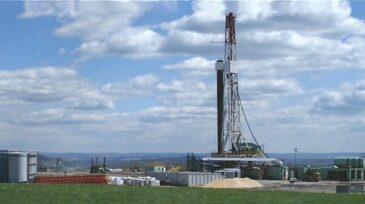
The rapid development of shale formations over the past decade has led the United States to become the world’s undisputed leader in natural gas production.
-
Well plugging and abandoning on a limited budget is a lofty goal that forces the industry to consider new ways and new materials. Cost-effectively dealing with this global problem will require developing tools to carry out the decommissioning without bringing in a drilling rig.
-
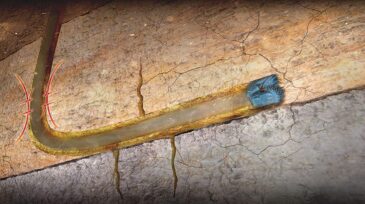
Making hole has become a more difficult and complex operation as operators move into untapped horizons, especially deepwater and unconventional fields.
-
In April, downhole chemical technology provider Flotek Industries acquired water-based, drilling fluid-additive technology from ARC Drilling Fluids.
-
Petroleum industry professionals reported an average total compensation of USD 214,328 in 2014, compared with 203,557 in 2013 and 223,472 in 2012.
-
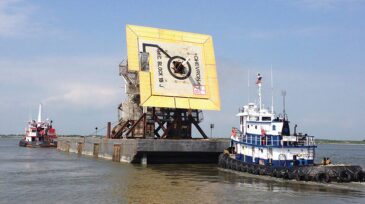
A strong reason for removing old platforms from the Gulf of Mexico, rather than trying to squeeze more years of marginal production out of them, is hurricanes.
-
Much of the new technology development occurring now is aimed at finding better ways to sever the thick, tough steel structures and wellheads so that they can be removed.
-
When he started his firm focused on removing obsolete offshore structures, Brian Twomey chose the name: Reverse Engineering Services. The thinking was that taking out a structure is like building it, but in reverse.
-
As the shale revolution changes the map of oil and natural gas development and shifts the balance of production between regions, public acceptance is an increasing challenge.




Explore Content by Discipline
Stay Ahead With JPT Newsletters
JPT Newsletter (Weekly).
Essential global industry news, technology developments, and market trends delivered to your inbox.
JPT Unconventional Insights (Monthly).
Global perspectives and expert analysis on shale, tight oil, and emerging unconventional plays.
Get JPT articles in your LinkedIn feed and stay current with oil and gas news and technology.