

Monthly Features
-
 Oil prices are high, but spending has not caught up—yet. Meanwhile, exploration strategies are changing around the world toward a lower-risk model, and the frenzied pace of US M&A has very much cooled off.
 -
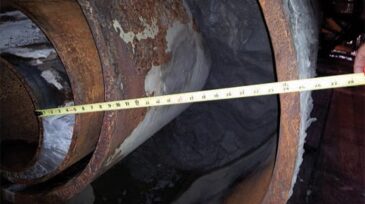
 This case study outlines a full-scale testing program focused on the behavior of thermal casing connections subjected to severe bending and low-cycle fatigue loading.
 -
 Disposal wells remain the lowest-cost solution for produced water, but concerns over seismicity and long-term sustainability are accelerating interest in alternatives.
 -
 With millions of wells having been drilled in the US since the beginning of the oil age, the land is pocked with old, unused wellbores. For most, repurposing is a pipe dream. Plugging is the best option.
 -
 This case study from Malaysia’s Petronas outlines a comprehensive review of perforation-charge testing across various tubular and reservoir conditions to help improve production from complex downhole scenarios.
 -
 This case study presents the first field deployment of acoustic fracturing analysis to evaluate perforation efficiency and implement real-time interventions during pressure pumping.
-
 An ongoing research project started nearly 3 years ago by the US Department of Energy’s National Energy Technology Laboratory (NETL) is shedding new light on what really happens to foamed cement as it is pumped deep down offshore wells during completions.
 -
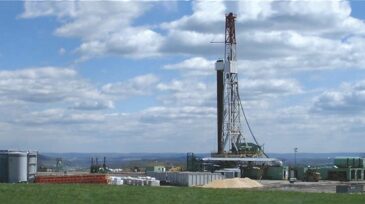
The rapid development of shale formations over the past decade has led the United States to become the world’s undisputed leader in natural gas production.
-
Well plugging and abandoning on a limited budget is a lofty goal that forces the industry to consider new ways and new materials. Cost-effectively dealing with this global problem will require developing tools to carry out the decommissioning without bringing in a drilling rig.
-
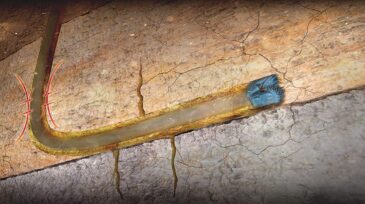
Making hole has become a more difficult and complex operation as operators move into untapped horizons, especially deepwater and unconventional fields.
-
In April, downhole chemical technology provider Flotek Industries acquired water-based, drilling fluid-additive technology from ARC Drilling Fluids.
-
Petroleum industry professionals reported an average total compensation of USD 214,328 in 2014, compared with 203,557 in 2013 and 223,472 in 2012.
-
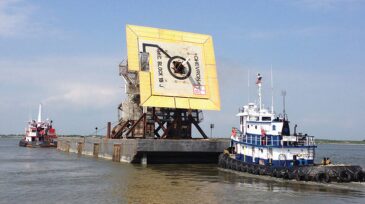
A strong reason for removing old platforms from the Gulf of Mexico, rather than trying to squeeze more years of marginal production out of them, is hurricanes.
-
Much of the new technology development occurring now is aimed at finding better ways to sever the thick, tough steel structures and wellheads so that they can be removed.
-
When he started his firm focused on removing obsolete offshore structures, Brian Twomey chose the name: Reverse Engineering Services. The thinking was that taking out a structure is like building it, but in reverse.
-
As the shale revolution changes the map of oil and natural gas development and shifts the balance of production between regions, public acceptance is an increasing challenge.




Explore Content by Discipline
Stay Ahead With JPT Newsletters
JPT Newsletter (Weekly).
Essential global industry news, technology developments, and market trends delivered to your inbox.
JPT Unconventional Insights (Monthly).
Global perspectives and expert analysis on shale, tight oil, and emerging unconventional plays.
Get JPT articles in your LinkedIn feed and stay current with oil and gas news and technology.