

CNPC
-
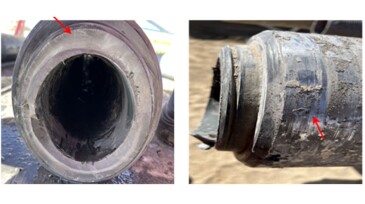
 This study aims to systematically assess casing integrity and corrosion risks associated with CO2 injection in oil-recovery operations.
 -
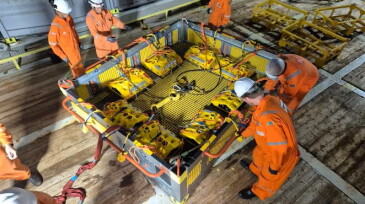
The technology has passed its first phase of qualification, with 84 nodes placed on the seafloor at a depth of 2,000 m to acquire 4D seismic data in the pre-salt Santos Basin.
-
Three experts were recognized with the Pioneer Award at the 2026 SPE Improved Oil Recovery Conference in Tulsa for their technological contributions to improved oil recovery.
-
The rise in China’s gas production, now exceeding that of Qatar and of Australia, is also limiting growth in its LNG demand.
-
This paper addresses the difficulty in adjusting late-stage production in waterflooded reservoirs and proposes an integrated well-network-design mode for carbon-dioxide enhanced oil recovery and storage.
-
The report from the Oil and Gas Climate Initiative presents data showing that its 12 member companies have reduced aggregate upstream methane intensity by 62%, routine flaring by 72%, and carbon intensity by 24% since 2017.
-
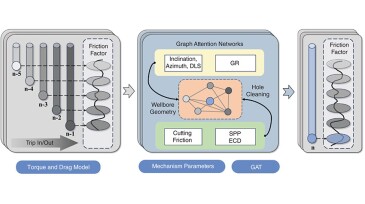
This paper describes the development of a method of predicting drillstring-friction coefficient during tripping operations that can be used for early warning of stuck pipe.
-
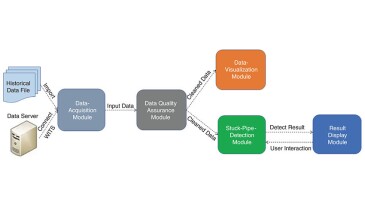
This paper proposes a time-series analysis approach to build a reliable, easy-to-use tool to automatically detect stuck pipe accurately and early.
-
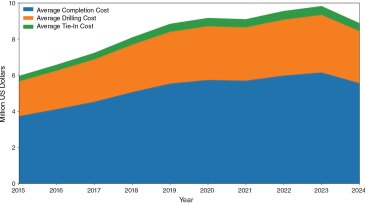
This study aims to thoroughly assess the influence of various completions, fracturing stimulation, and intrinsic reservoir properties affecting the productivity of 10 major unconventional plays while uncovering insights and trends unique to each play.
-
This paper proposes a methodology for preventing drillstring fatigue and failure in deep wells with large shallow doglegs.





Page 1 of 2