saltwater disposal
-
 This guest editorial from the Center for Injection and Seismicity Research (CISR) at The University of Texas at Austin details the emerging risks posed by injection in Texas and what steps might be taken to mitigate them.
 -
This paper reviews the simultaneous supercritical CO2/brine aquifer injection and water-alternating-gas methods for geologic carbon sequestration and proposes a novel integration with saltwater-disposal wells.
-
As carbon capture scales up worldwide, the real challenge lies deep underground—where smart reservoir management determines whether CO₂ stays put for good.
-
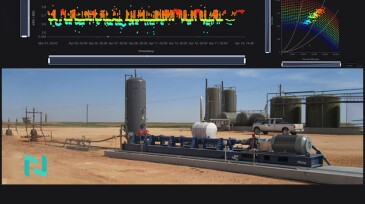
This article presents a results-driven case study from an ongoing collaboration between a midstream oil and gas company and Neuralix Inc.
-
The recent Permian Basin earthquakes in Texas are keeping producers, regulators, and service providers busy in their quest to reduce the intensity and frequency of the induced seismic events.
-
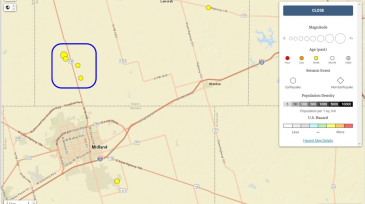
The Railroad Commission of Texas is inspecting injection wells in the Gardendale Seismic Response Area where a magnitude 5.3 earthquake and multiple aftershocks struck.
-
Operators will not be able to inject wastewater below 10,000 ft in the Gardendale area.
-
Operators of unconventional plays face a conundrum—how to dispose of produced water economically without risking seismicity or aquifer contamination. A recent paper and virtual forum offer ideas for optimizing saltwater disposal.
-
Predictive models may help in the estimation of produced water volumes and the optimization of the locations for water recycling and disposal facilities to reduce truck hauling distances.