AI/machine learning

This research focuses on combining physics-based expert rules with machine learning to improve the detection of failure-related events in electrical submersible pumps.

A combination of physics principles and machine-learning techniques is used in this work to develop a virtual flowmeter for oil-production optimization in electrical-submersible-pump-lifted oil wells, resulting in reliable generalization.

This paper presents the deployment of an artificial intelligence-enabled autonomous gas lift optimization system, integrating real-time centralized advanced process control with cloud-based analytics to enhance artificial gas lift performance in producer wells.
-
 This paper presents the development and test of a method to predict upstream events that could lead to flaring, applying an integrated framework using machine-learning and big-data analytics.
 -
A field test conducted by Yokogawa Electric and JSR resulted in a chemical plant being run autonomously for the first time by artificial intelligence for 35 days.
-
C3 AI reported that the oil major has hit the milestone of 10,000 pieces of equipment being monitored by its predictive-maintenance artificial intelligence.
-
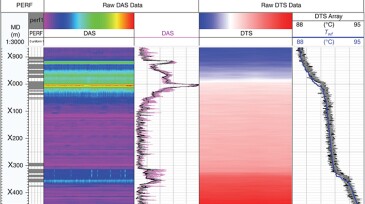
This paper describes a novel machine-learning approach for processing distributed fiber-optic sensing data that enables dynamic flow-profile monitoring using a fiber-optic electric-line cable deployed in a gas condensate well.
-
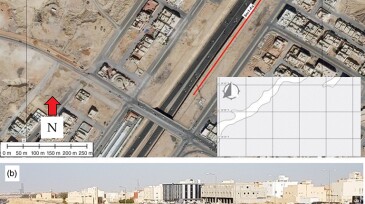
The authors describe an integrated multiscale data methodology involving machine-leaning tools applied to the Late Jurassic Upper Jubaila formation outcrop data.
-
In this work, a methodology to detect interference from long-term pressure and flow-rate data is developed using multiresolution analysis in combination with machine-learning algorithms.
-
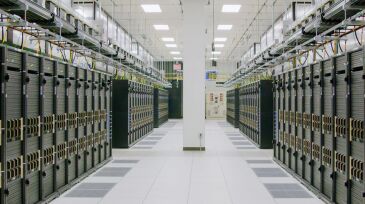
Ultimately, the company formerly known as Facebook wants the AI Research SuperCluster system to help it develop artificial intelligence to power the metaverse.
-
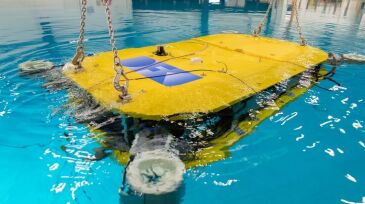
A two-armed autonomous underwater vehicle has been launched for complex inspection and maintenance tasks, embedded in a powerful IT infrastructure that enables both intuitive control and monitoring of the system and effective information flow with the plant operator.
-
Applications include identifying new green catalysts to enable the conversion of waste products to useful matter, green hydrogen generation, CO2 utilization, and the development of fuel cells. Novel catalysts also could be used to replace expensive and rare materials such as iridium, the metal used to generate green hydrogen and CO2 reduction products.
-
This selection of papers will familiarize facilities engineers with a variety of topics so they are more prepared for what 2022 may bring.