Carbon capture and storage

This paper presents an approach for safe, efficient, and cost-effective legacy well reabandonment.

This paper presents a flexible, highly cost- and energy-efficient method of gas separation and CO₂ capture from many different gas mixtures with a large range of CO₂ concentrations.

This study explores the carbon-capture and mineralization potential of ultramafic rock powders when exposed to flue gases generated from combustion of crude oil and mesquite-derived charcoal.
-
 Using CO2 as the geothermal power fluid to generate electricity from low-temperature abandoned hydrocarbon wells can help reduce well costs and optimize energy production. In this paper, a previously developed coupled well/reservoir model is extended to study the effects of fluid properties on thermal output.
 -
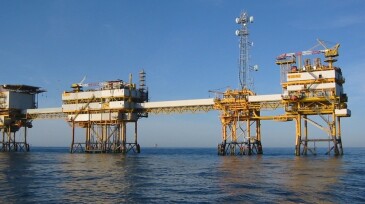
Neptune Energy, ExxonMobil, Rosewood, and EBN have agreed to cooperate on the L10 Carbon Capture and Storage project in the Dutch North Sea.
-
This paper discusses the challenges presented by factors such as infrastructure, types of primary energy, and investment.
-
Have you noticed that the pace, breadth, and depth of engagement in decarbonization within the oil and gas industry is going from strength to strength? In addition to corporate commitments and project announcements, this was evident in the content of OnePetro technical papers during the past year that demonstrate the industry is serious about implementation.
-
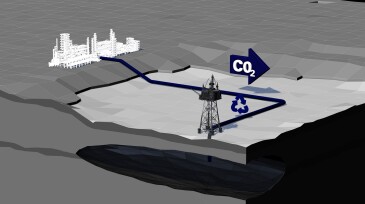
This paper provides a comprehensive study for offshore carbon-dioxide (CO2) storage projects, identifying critical elements for estimation, injection, containment, and monitoring of CO2 plumes.
-
The Mammoth project follows the company’s proven Orca model but will scale up the CO2 capture capacity to 36,000 tons per year.
-
The deal with Manulife gives Oxy unit 1PointFive access to 27,000 acres of subsurface pore space for carbon sequestration.
-
The new areas are expected to make a significant contribution to the government’s target of capturing and storing 20 million–30 million tonnes of carbon dioxide per year.
-
Sempra lands partners for a CCS deal in Louisiana, while Shell eyes newbuild ships for CCS transport. An offshore alliance targets floating wind technology, and global hydrogen projects gain momentum in the UAE, Africa, and Brazil.
-
Chevron, Talos, and Carbonvert have finished the documentation and closed the joint venture for the carbon capture and storage project on the Gulf of Mexico coast.