Completions

This edition highlights three offshore technology papers that address a common industry theme: how targeted engineering solutions can reduce uncertainty, shorten operations, and make technically constrained offshore well activities more executable.

Three papers are highlighted as the primary contributions because of their broad industry relevance. They focus on improving formation particle-size characterization, expanding the application of openhole gravel packs in depleted and compartmentalized reservoirs, and advancing the understanding of capillary pressure in sand production.

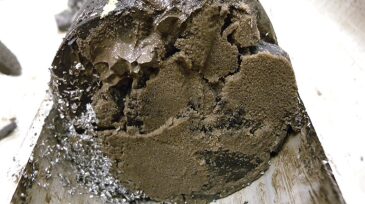
This paper aims to establish a set of best practices for generating particle-size-distribution data from core samples.
-
 A major issue facing many production engineers is sand management. There are many obstacles equipment hasn’t historically been able to overcome and prolonged use is costly.
 -
A lot has been learned about shale, but those working to eke out oil from that ultratight rock still extract more value from data than physics.
-
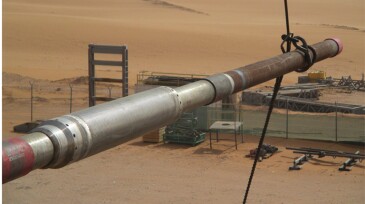
Schlumberger talks about options for improving remote operations of the many valves involved in the various activities occurring simultaneously on a multi-well pad.
-
Shale producers have learned in recent years that their fracture plugs may not be holding up as well as they thought. One of the first operators to realize the true scope of the issue is now sharing the pathway it took to solving it.
-
The supermajor would be the second to conduct a hydraulic fracturing pilot project in the country.
-
Ease of use and crowd-pleasing economics are driving US shale producers toward wet-sand completions. Chesapeake Energy is among the latest converts and explains why it wants to use wet sand on every new well.
-
The paper describes the operator’s first implementation of fishbone stimulation technology, establishing a precedent for other fishbone candidate wells.
-
Offset well-pressure measurements in the Permian Basin are analyzed to evaluate if a fracturing job is overstimulated.
-
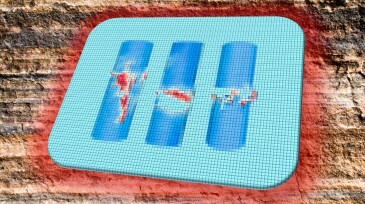
The authors use machine-learning methods combined with geomechanical, wellbore-trajectory, and completion data sets to develop models that predict which stages will experience difficulties during completion.
-
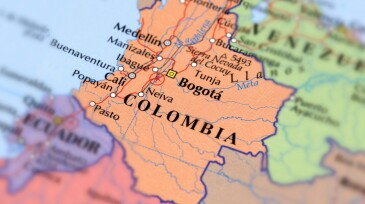
ExxonMobil submitted a proposal to Colombian authorities to develop a hydraulic fracturing pilot project in the Magdalena Basin. Colombia wants to drastically raise its declining reserves-to-production ratio by tapping into shale.