Data & Analytics
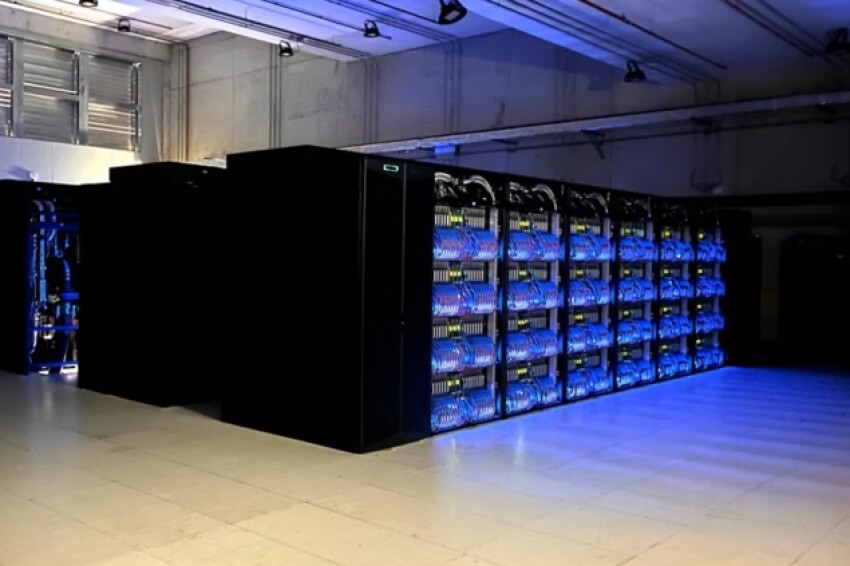
With the latest addition, the Italian major’s computational capacity passes the exaflop threshold, making the firm the world’s leading company by computing power in the new TOP500 global ranking.

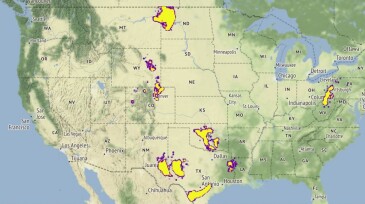
This case study describes how edge computing and industrial internet of things platforms were deployed to automate and optimize production operations across four distinct basins.

This paper introduces in-pipe inspection technologies enabling high-resolution digital measurements of tubular internal diameter and wall thickness for critical downhole applications.
-
 This paper presents the design and development of a prototype intelligent water-injection and smart allocation tool aimed at achieving autonomous waterflood operations.
 -
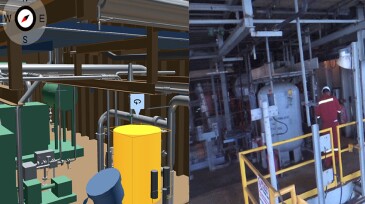
This paper described the use of digital twin technology to identify design modifications required at an onshore site and visualize proposed offshore assets for a Trinidad and Tobago development.
-
In the pursuit of sustainable industrial operations, three pivotal objectives emerge: risk reduction, safety assurance, and cost minimization. Integrating these objectives into digital transformation strategies enables operators to effectively manage emissions and achieve success.
-
Supervised learning was used to develop an ensemble of models that account for historical production data, geolocation parameters, and completion parameters to forecast production behavior of oil and gas wells.
-
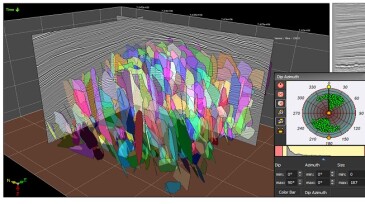
The combined effort aims to reduce the time necessary for and increase the detail and accuracy of seismic interpretation, including for carbon sequestration studies.
-
The 2023 Offshore Energy Digital and Data Maturity Survey report aims to deepen understanding of how organizations are applying data and digital technologies to help transform the UK energy system to achieve net zero targets.
-
Stakeholders in the UK offshore sector will be asked to commit to a set of principles to help the sector achieve the energy transition through digitalization.
-
The national oil company credits lean operating practices and AI for making the three-well, 45,000 B/D project economically viable.
-
From the first supercomputer to generative AI, JPT has followed the advancement of digital technology in the petroleum industry. As the steady march of innovation continues, four experts give their views on the state and future of data science in the industry.
-
The use of oil-based muds has precluded countless drill cuttings from being used to predict reservoir fluids despite once being part of the reservoir. A 6-decade-old technology may be on the cusp of changing that.