Data & Analytics
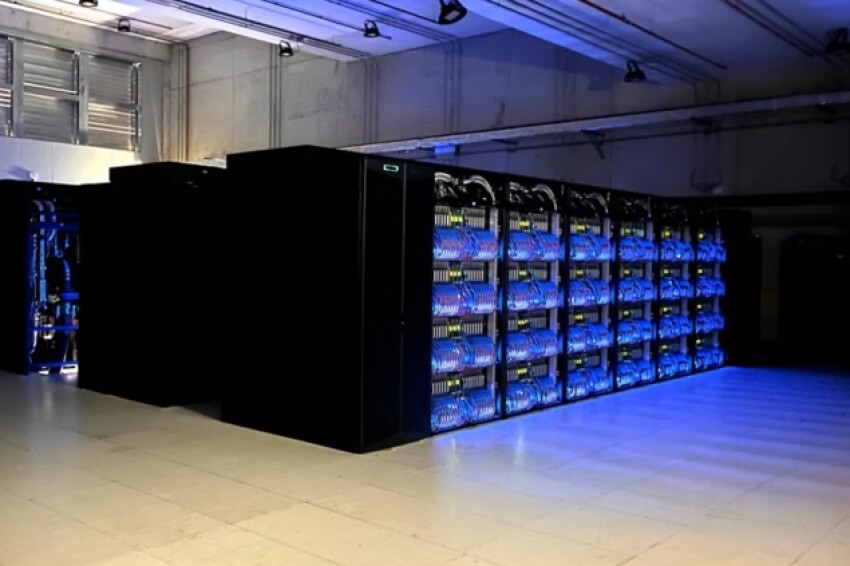
With the latest addition, the Italian major’s computational capacity passes the exaflop threshold, making the firm the world’s leading company by computing power in the new TOP500 global ranking.

This case study describes how edge computing and industrial internet of things platforms were deployed to automate and optimize production operations across four distinct basins.

This work describes a study in which distributed data parallel training, paired with a node-local caching pipeline, enabled efficient multigraphics-processing-unit scaling for a CO₂-storage graph-neural-network surrogate while maintaining generalization.
-
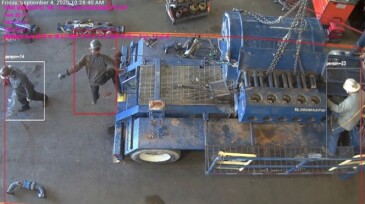
 Vision analytics is being used to extract insight information from video, with data inferred from existing cameras used to create a monitoring dashboard where supervisors can receive alerts at the worksite level or drill down to specific events.
 -
The oil and gas industry uses a variety of complex systems and technologies that are becoming increasingly vulnerable to cyberattacks. Now, through the Cyber Resilience Pledge, more than 20 global CEOs have committed to work together to improve cyber resilience across the ecosystem.
-
The opening ceremony highlighted maximizing production sustainably to meet global demand, integration of simulation and optimization in a single platform with automation, and energy security.
-
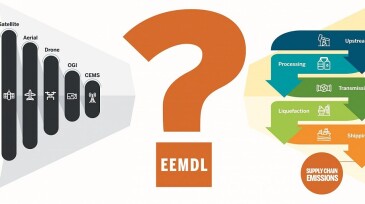
The University of Texas at Austin will be home to a multidisciplinary research and education initiative, the Energy Emissions Modeling and Data Lab, which aims to address the growing need for accurate, timely, and clear accounting of greenhouse-gas emissions across global oil and natural gas supply chains.
-
The emergence of reliable, affordable, and accessible uncrewed systems reveals their potential to play a valuable role in the energy transition.
-
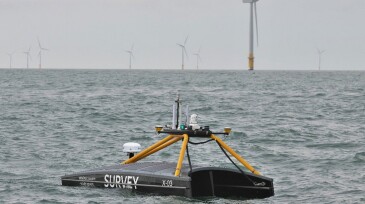
Energy firm Vattenfall has conducted large-scale seabed surveys with uncrewed surface vessels. The company reports positive results, from both climate and safety aspects.
-
GlobalData’s report "Robotics in Oil and Gas" notes that, while robotics has been a part of the oil and gas industry for several decades, growing digitalization and integration with artificial intelligence, cloud computing, and the Internet of Things have helped diversify robot use cases within the industry.
-
The company said it expects the software to enable greater standardization for its well and drilling teams in the well planning and well delivery process, improve communication and automation, and increase transparency of project-related risks and costs.
-
The service company said it plans to use DataRobot’s artificial intelligence capabilities in its production-optimization and well-construction digital platforms.
-
The authors of this paper present a method of retrieving downhole data that is a practical and inexpensive alternative to wireline or slickline logging and permanently installed sensors.