Data & Analytics

Switching from continuous circulation to cyclic huff-‘n’-puff operation in enhanced geothermal systems can significantly delay thermal breakthrough, sustain higher production temperatures, and improve long-term economic performance.

The two companies say they plan to work together to use agentic AI to increase the capabilities of technical experts.

This article is the first in a Q&A series from the SPE Methane Emissions Management Technical Section (MEMTS) on methane intelligence and how oil and gas teams translate emissions data into credible decisions and measurable reductions.
-
 New contracts, a joint venture, and a merger are pushing the company's robotic vessel fleet further into the mainstream of both hydrocarbons and renewable energy inspection services.
 -
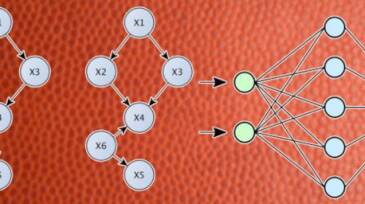
If there's one thing people know how to do, it's guess what caused something else to happen. Usually, these guesses are good, especially when making a visual observation of something in the physical world. AI continues to wrestle with such inference of causality, and fundamental challenges must be overcome before we can have "intuitive" machine learning.
-
The digital repository will use a hybrid cloud architecture to provide subsurface data for the Norwegian Petroleum Directorate.
-
SponsoredRead the latest research about data management's role in supporting digital transformation in the upstream industry.
-
SponsoredWhite Paper—The Ultimate Guide to e-Permit to Work: The Top Three Benefits of Moving Away From PaperMoving to an electronic permitting process can ensure proper and timely authorizations for work between office and field.
-
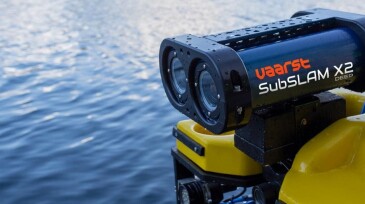
Vaarst, a spinoff from subsea robotic and hydrographic survey company Rovco, wants to accelerate advancement in ocean robotics by providing access to artificial-intelligence technology to marine and subsea providers for autonomous robotic work.
-
The honorees will be recognized later this year at the OTC Distinguished Achievement Awards Luncheon.
-
GeoMark’s RFDbase contains raw data from every major petroleum basin in the world that can be used in training models to link subsurface characteristics to wellhead performance.
-
Petrolern has received a $1.15-million grant from the US Department of Energy to develop and commercialize its technology that models in-situ stresses by using available data.
-
The market may be different from what we have previously experienced, but the path to a successful digital transformation is durable and the core principles of success have not changed.