Decarbonization
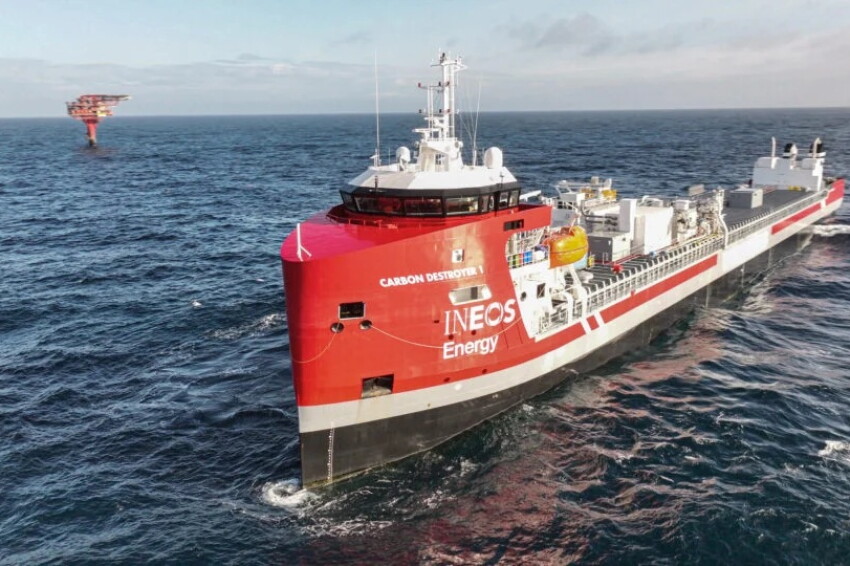
Plans call for the Greensand project to store 400,000 tonnes of carbon dioxide annually, with the potential to store up to 8 million tonnes annually at full capacity.
In line with its recently released Global Outlook, the major has begun storing carbon dioxide from Nucor’s iron facility in Convent, Louisiana.
Natural Resources Canada has awarded $4 million to Next Hydrogen and CERT Systems to advance clean hydrogen production and low-carbon sustainable aviation fuel technologies in the Greater Toronto Area.
-
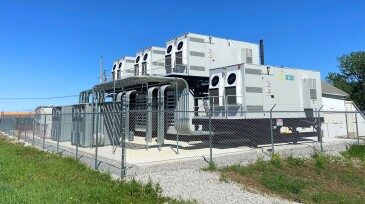
 The drilling contractor is spending big to deploy natural-gas-powered microgrids and battery storage.
 -
Permits for the East Side Cluster carbon storage project have been awarded, and participants have begun announcing final investment decisions.
-
The upstream oil and gas sector alone could cut as much as 4% of global greenhouse-gas emissions, according to a report from McKinsey. But this will take worldwide cooperation among industry players and capital investors.
-
Sharing state-of-the-art design and troubleshooting methods, the workshop identified future separation needs and gap statements and proposed how to close the gaps.
-
This paper describes the development of guidelines to determine the most suitable corrosion-resistant alloys for downhole injection equipment in wells for carbon capture and storage and carbon capture, use, and storage.
-
This paper examines the economics of carbon capture, usage, and storage projects, either standalone or in conjunction with large offshore gas projects, in Denmark, Indonesia, and Australia.
-
DNV has certified the feasibility of ADNOC’s West Aquifer carbon dioxide storage site in the UAE, marking a significant milestone in the Middle East’s carbon capture and storage efforts.
-
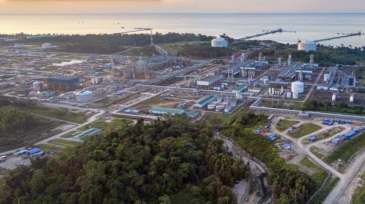
The plan calls for developing a gas field, CCUS, and onshore compression, with first production expected in 2028.
-
Wood Mackenzie analysis projects a full repeal of the Inflation Reduction Act is unlikely, while industry proponents urge permitting overhaul and loosening of burdensome regulations.
-
The partnership between GLJ and Energy Fuse Group aims to leverage the expertise of both companies in project management, operational design, and subsurface and commercial evaluations to facilitate effective CO2 storage solutions.