Decarbonization
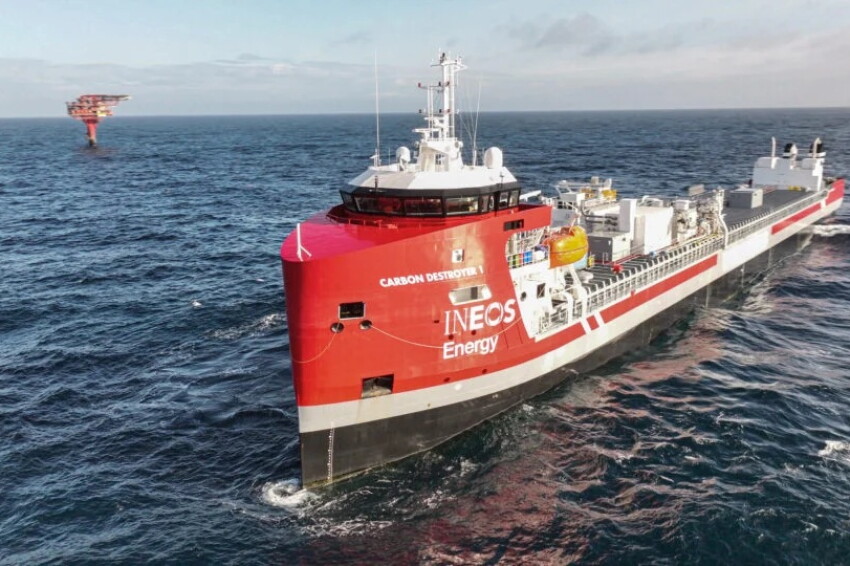
Plans call for the Greensand project to store 400,000 tonnes of carbon dioxide annually, with the potential to store up to 8 million tonnes annually at full capacity.
Natural Resources Canada has awarded $4 million to Next Hydrogen and CERT Systems to advance clean hydrogen production and low-carbon sustainable aviation fuel technologies in the Greater Toronto Area.
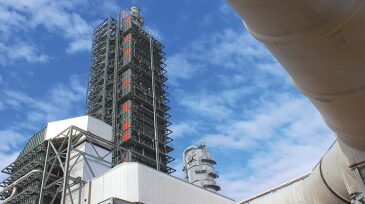
In line with its recently released Global Outlook, the major has begun storing carbon dioxide from Nucor’s iron facility in Convent, Louisiana.
-
 Fourteen companies scooped up the licenses to sequester carbon in depleted oil and gas reservoirs and saline aquifers offshore UK.
 -
The $1-billion carbon capture project in Texas is revived after a 3-year hiatus.
-
Government and industry leaders support the oil and gas industry's role in the energy transition.
-
The Habshan project aims to capture and sequester 1.5 million tonnes of carbon dioxide per year.
-
While innovative solutions are being examined for decarbonization, there is one topic that is rarely emphasized as a key driver in the path toward a more-sustainable future—brownfield optimization.
-
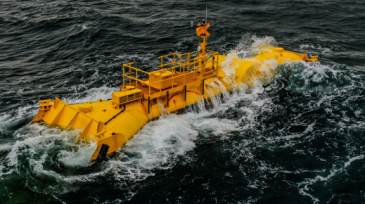
Wave power plus a subsea battery can be a reliable source for subsea operations, to a point.
-
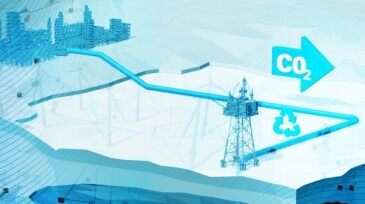
Understanding the subsurface is crucial to the success of carbon capture and storage, and digital solutions are essential for an accurate analysis of the subsurface being considered.
-
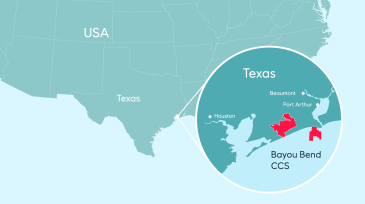
Norwegian energy company Equinor has acquired a 25% stake in the Bayou Bend CCS project from Houston-based Carbonvert.
-
Meeting the energy demands of today while advancing a lower-carbon energy future requires policy support, innovative approaches, capital investments, and time.
-
Thailand's coal mining giant Banpu said it has signed an agreement to launch a third carbon capture and sequestration project in the US.