Decarbonization

This study explores the carbon-capture and mineralization potential of ultramafic rock powders when exposed to flue gases generated from combustion of crude oil and mesquite-derived charcoal.

This paper presents an approach for safe, efficient, and cost-effective legacy well reabandonment.

This paper presents a flexible, highly cost- and energy-efficient method of gas separation and CO₂ capture from many different gas mixtures with a large range of CO₂ concentrations.
-
 Two technologies that may play a part in the decarbonization of the UK energy business are carbon capture, use, and storage and the use of hydrogen for energy transportation and storage. This approach builds on the UK’s gas-network infrastructure, which can be repurposed to avoid becoming stranded.
 -
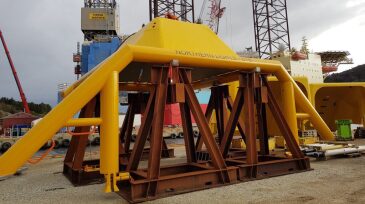
The Hydrogen Offshore Production project identifies an alternative to decommissioning by providing reuse options for offshore infrastructure. It aims to prove the feasibility of decentralized hydrogen generation, storage, and distribution to provide a bulk hydrogen solution.
-
The White House review of proposed rules for an expanded credit for capturing and storing carbon dioxide resulted in changes that give the IRS more time to take back the credits in case of carbon leaks.
-
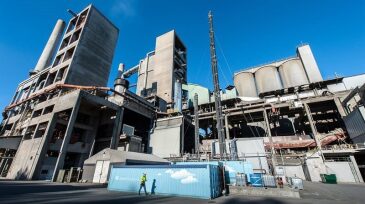
The cement industry is exploring carbon capture technology to reduce its carbon footprint.
-
Goal is to reduce plant emissions profile and boost sustainability in production.
-
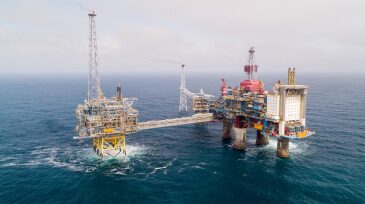
Sleipner’s share in net-zero emissions savings will be more than 150,000 tonnes per year.
-
Although these look like ordinary tankers, they are unique and run on LNG and recovered oil vapors.
-
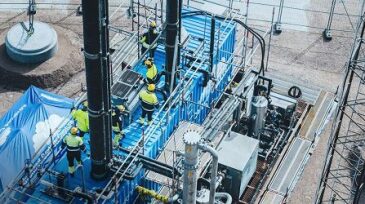
The company started operating its mobile test facility for carbon capture at Preem’s refinery in Lysekil, Sweden.
-
Total is stepping up its research into carbon capture, utilization, and storage technologies by signing a multiyear partnership with UK startup Cambridge Quantum Computing. This partnership aims to develop new quantum algorithms to improve materials for carbon capture.
-
An investment decision this year would sanction Norway’s first CO2 storage project. Phase 1 is expected to be operational in 2024.