Decarbonization

This paper presents a flexible, highly cost- and energy-efficient method of gas separation and CO₂ capture from many different gas mixtures with a large range of CO₂ concentrations.

This paper presents an approach for safe, efficient, and cost-effective legacy well reabandonment.

This study explores the carbon-capture and mineralization potential of ultramafic rock powders when exposed to flue gases generated from combustion of crude oil and mesquite-derived charcoal.
-
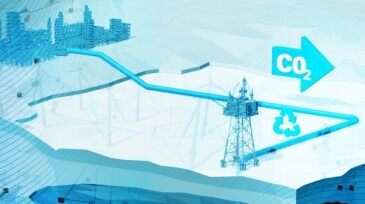
 The funding is aimed at helping connect sources of carbon dioxide to locations for geologic storage and conversion through multiple transport modes.
 -
The research could improve climate models and inform carbon sequestration.
-
The hub acreage is located in state waters of Cameron Parish.
-
Fourteen companies scooped up the licenses to sequester carbon in depleted oil and gas reservoirs and saline aquifers offshore UK.
-
The $1-billion carbon capture project in Texas is revived after a 3-year hiatus.
-
Government and industry leaders support the oil and gas industry's role in the energy transition.
-
The Habshan project aims to capture and sequester 1.5 million tonnes of carbon dioxide per year.
-
While innovative solutions are being examined for decarbonization, there is one topic that is rarely emphasized as a key driver in the path toward a more-sustainable future—brownfield optimization.
-
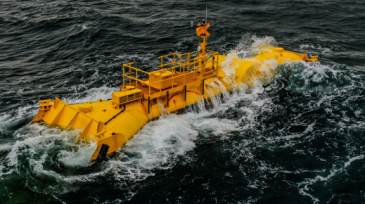
Wave power plus a subsea battery can be a reliable source for subsea operations, to a point.
-
Understanding the subsurface is crucial to the success of carbon capture and storage, and digital solutions are essential for an accurate analysis of the subsurface being considered.