Decarbonization

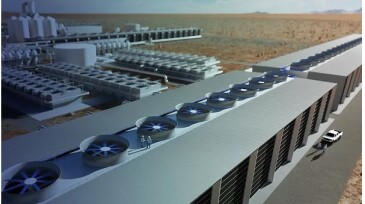
This paper presents a flexible, highly cost- and energy-efficient method of gas separation and CO₂ capture from many different gas mixtures with a large range of CO₂ concentrations.

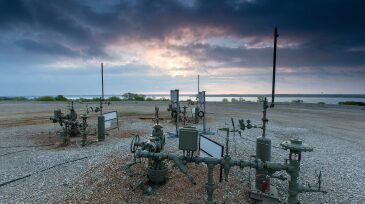
This paper presents an approach for safe, efficient, and cost-effective legacy well reabandonment.

This study explores the carbon-capture and mineralization potential of ultramafic rock powders when exposed to flue gases generated from combustion of crude oil and mesquite-derived charcoal.
-
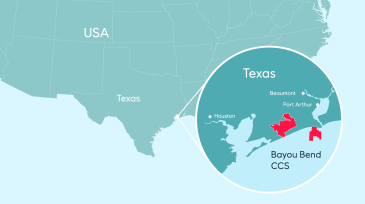
 Norwegian energy company Equinor has acquired a 25% stake in the Bayou Bend CCS project from Houston-based Carbonvert.
 -
Meeting the energy demands of today while advancing a lower-carbon energy future requires policy support, innovative approaches, capital investments, and time.
-
Thailand's coal mining giant Banpu said it has signed an agreement to launch a third carbon capture and sequestration project in the US.
-
Decades of experience injecting fluids into the ground has revealed a fundamental truth: No two injection sites are the same. A thorough understanding of site-specific conditions is essential to ensure safe and secure long-term subsurface disposal of carbon dioxide.
-
The projects are expected to remove more than 2 million metric tons of CO2 emissions annually from the atmosphere.
-
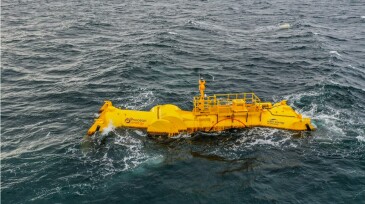
This paper describes development of a fully integrated system for the provision of low-carbon, remote power and communications using wave energy converters.
-
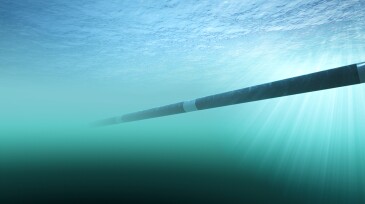
This paper presents a discussion of main concepts, challenges, and opportunities relating to subsea system design for CO2 injection in carbon capture and sequestration applications.
-
UK Prime Minister Rishi Sunak commits to future oil and gas licensing rounds as new analysis shows domestic gas production has around one-quarter the carbon footprint of imported liquefied natural gas.
-
Tokyo is seeking partnerships in the UAE to leverage its technologies to produce clean energy for export back to Japan.
-
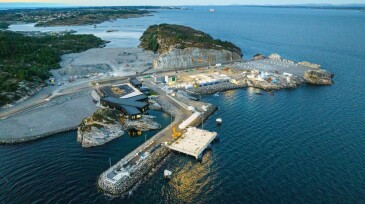
The region stands to benefit from TotalEnergies’ experience as a partner in Norway’s Northern Lights CCS development to decarbonize industrial operations in northern Europe. The first injection of carbon dioxide at Northern Lights is expected in 2024.