Decommissioning
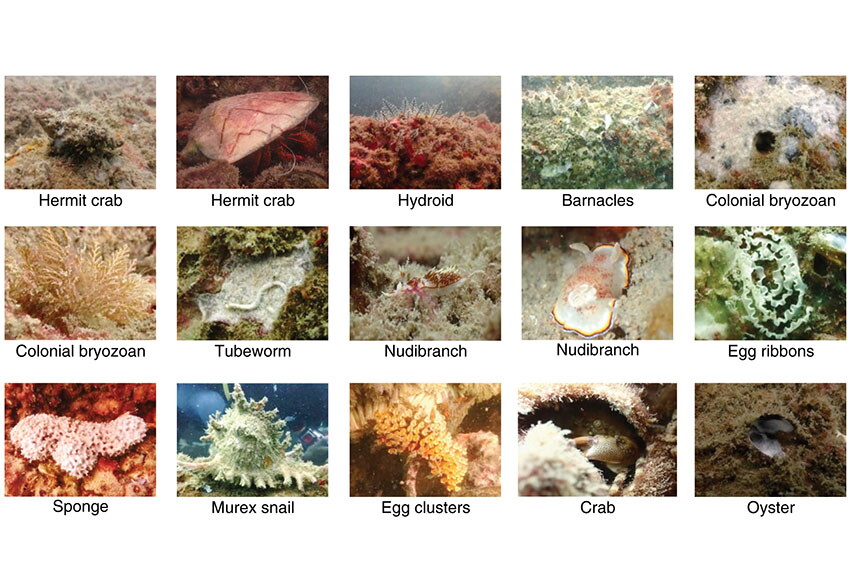
This paper reviews a proof-of-concept project in which surplus casing pipes were used in the fabrication of purposefully designed artificial reef structures for the enhancement of biodiversity and commercial fisheries.

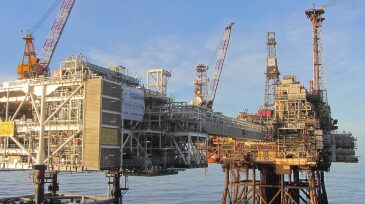
ABL’s Australia unit will provide marine warranty survey services to support the first phase of Esso’s decommissioning campaign, which aims to recycle 95% of the 60,000 tons of offshore structures targeted for removal.

Despite a 2.8% drop in liquefied natural gas exports in 2025 because of lost market share in China, Australia anticipates a 2026 rebound as new North West Shelf capacity comes online. Meanwhile, East Coast operators brace for a tsunami of wells entering the decommissioning pipeline and potential energy shortfalls necessitating LNG imports.
-
 In a down market, plugging and abandoning North Sea wells looks like an opportunity. The cost for operators is reduced because the government is paying more than half of the cost of the work, and many service companies hungry for work are offering discounts.
 -
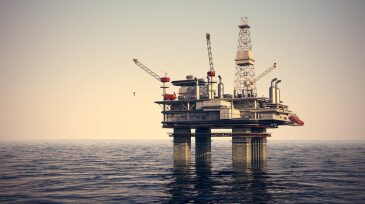
An ecosystem-based management program is described to assess the potential sensitivities and contribution of the platform as an artificial reef.
-
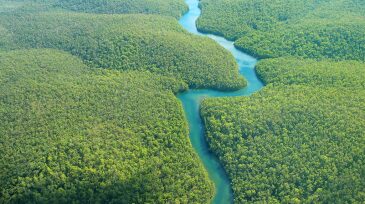
After initial exploration, a prospect deep in the Amazon jungle was declared non-commercial. The authors discuss how the initial project planning contributed to the decommissioning effort by means of life-cycle planning.
-
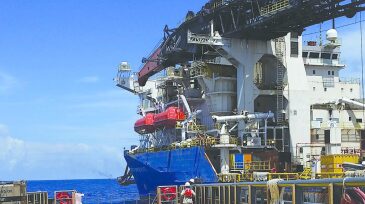
Allseas Engineering’s giant new offshore construction vessel has a new name, prior to its first job. What was once the Pieter Schelte is now the Pioneering Spirit.
-
After 10 years, the world’s first cell spar, Anadarko’s Red Hawk, was decommissioned. It remained the only cell spar fabricated and again made history as the deepest floating production unit ever decommissioned in the GOM.
-
Many offshore decommissioning costs are higher than necessary because of decisions made during the initial engineering and construction for an oil or gas field.
-
With a high demand for plug and abandonment (P&A) of subsea wells in the future on the Norwegian continental shelf, industry is challenged to find alternatives and rigless technologies that can make P&A operation more cost-effective and -efficient.
-
The 2014 SPE Annual Technical Conference and Exhibition (ATCE) in Amsterdam drew people from all over the world, covered global themes, and focused on the triumphs, challenges, and remaining opportunities for the North Sea.
-
Well plugging and abandoning on a limited budget is a lofty goal that forces the industry to consider new ways and new materials. Cost-effectively dealing with this global problem will require developing tools to carry out the decommissioning without bringing in a drilling rig.
-
While decommissioning is not new, the need is accelerating, along with cost and regulatory requirements. A panel at ATCE discussed the challenges in executing decommissioning projects.