Decommissioning
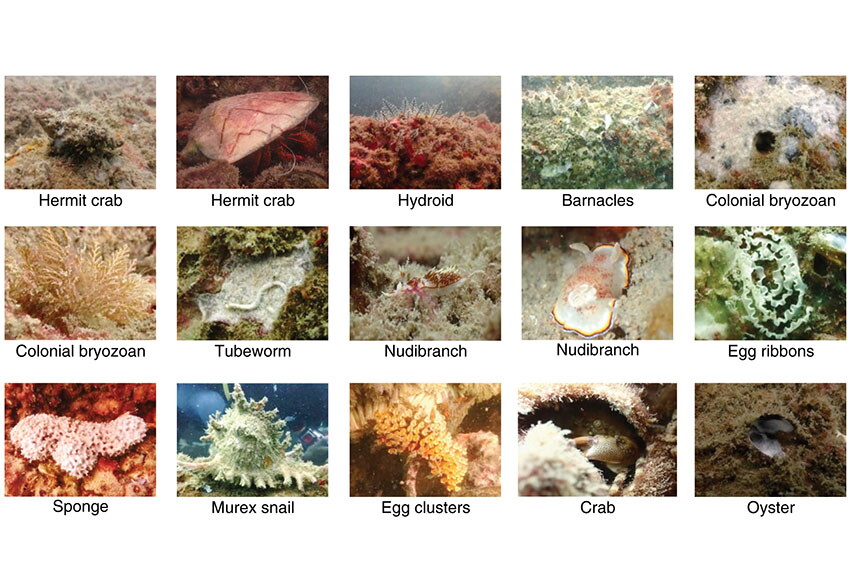
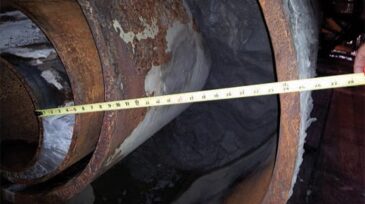
This paper reviews a proof-of-concept project in which surplus casing pipes were used in the fabrication of purposefully designed artificial reef structures for the enhancement of biodiversity and commercial fisheries.

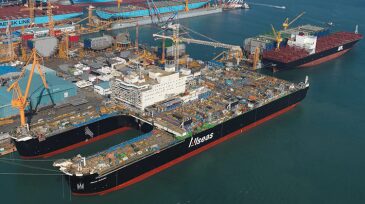
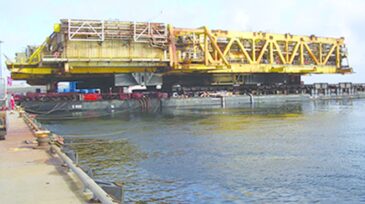
ABL’s Australia unit will provide marine warranty survey services to support the first phase of Esso’s decommissioning campaign, which aims to recycle 95% of the 60,000 tons of offshore structures targeted for removal.

Despite a 2.8% drop in liquefied natural gas exports in 2025 because of lost market share in China, Australia anticipates a 2026 rebound as new North West Shelf capacity comes online. Meanwhile, East Coast operators brace for a tsunami of wells entering the decommissioning pipeline and potential energy shortfalls necessitating LNG imports.
-
 A strong reason for removing old platforms from the Gulf of Mexico, rather than trying to squeeze more years of marginal production out of them, is hurricanes.
 -
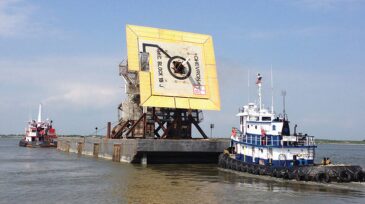
Much of the new technology development occurring now is aimed at finding better ways to sever the thick, tough steel structures and wellheads so that they can be removed.
-
When he started his firm focused on removing obsolete offshore structures, Brian Twomey chose the name: Reverse Engineering Services. The thinking was that taking out a structure is like building it, but in reverse.
-
Decommissioning costs are often made higher by decisions made during the initial engineering and construction stages of an offshore oil or gas field. Designing with a critical eye can go a long way toward reducing the decommissioning costs, which occur decades later.
-
Industry perceives decommissioning projects as more risky and uncertain than capital projects. Several recent decommissioning projects delivered in an immature marketplace seem to support this view.
-
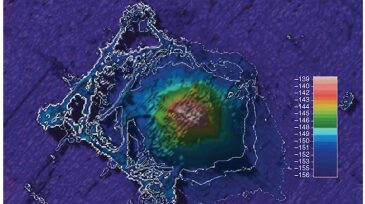
Advances in modeling techniques allow quantitative prediction of long-term trends in cuttings-pile characteristics and environmental risks, providing firm direction in mitigating risks.
-
The great majority of wells do not pollute.
-
P&A activities using digital slickline increase equipment, logistic, and marine-support efficiency.
-
The Hadrian-5 prospect in the US Gulf of Mexico was drilled in approximately 7,000 ft of water as one of the first Gulf of Mexico wells drilled after a deepwater moratorium was imposed after the Macondo disaster.
-
Industry has overcome the technical challenges with decommissioning in shallow water. But as deepwater structures require removal, a whole new set of decommissioning challenges will require new solutions. This article highlights some of these challenges.