

Decommissioning
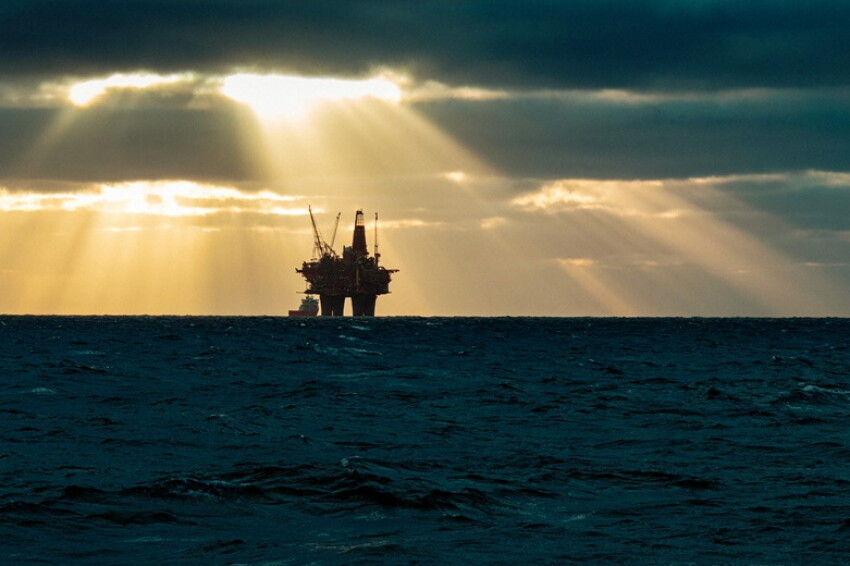
This paper identifies opportunities and risks associated with repurposing an offshore oil and gas platform for green hydrogen production. Various technical scenarios were investigated for the case study platform, and their profitability was determined using economic calculations. In addition, all the submodels were compared with standard decommissioning costs for reco…

This paper presents an approach for safe, efficient, and cost-effective legacy well reabandonment.

This paper uses the structural-integrity-management framework to evaluate the current structural integrity of chosen platforms, highlighting their potential and limitations for carbon capture, use, and storage purposes based on in-service assessments.
-
 P&A activities using digital slickline increase equipment, logistic, and marine-support efficiency.
-
The Hadrian-5 prospect in the US Gulf of Mexico was drilled in approximately 7,000 ft of water as one of the first Gulf of Mexico wells drilled after a deepwater moratorium was imposed after the Macondo disaster.
-
Industry has overcome the technical challenges with decommissioning in shallow water. But as deepwater structures require removal, a whole new set of decommissioning challenges will require new solutions. This article highlights some of these challenges.
-
Global decommissioning projects are ramping up as many installations near the end of their life cycle. Many operators are now planning for major removal projects. Changes in technology and regulations have caused operators to make significant shifts in well abandonment operations.
-
Regulations are driving increased decommissioning activities in the Gulf of Mexico. Incomplete data is one of the obstacles in planning decommissioning. As fields have changed ownership over time, key information has been lost, creating challenges for the current operator.



Page 17 of 17