Digital Oil Field

This research focuses on combining physics-based expert rules with machine learning to improve the detection of failure-related events in electrical submersible pumps.

This paper presents the deployment of an artificial intelligence-enabled autonomous gas lift optimization system, integrating real-time centralized advanced process control with cloud-based analytics to enhance artificial gas lift performance in producer wells.

A combination of physics principles and machine-learning techniques is used in this work to develop a virtual flowmeter for oil-production optimization in electrical-submersible-pump-lifted oil wells, resulting in reliable generalization.
-
 The success of any digital oilfield project is predicated on the quality of the data structure, acquisition, communication, validation, storage, retrieval, and provenance of the data.
 -
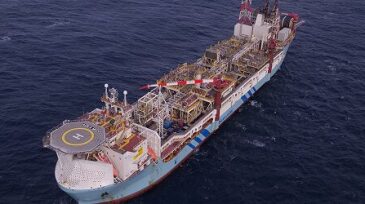
DNV GL and floating production, storage, and offloading (FPSO) vessel specialist Bluewater are undertaking a pilot project to use hybrid digital twin technology to predict and analyze fatigue in the hull of an FPSO in the North Sea.
-
In addition to the well-recognized elements of digital transformation such as real-time monitoring, remote intelligence, and extraction of insights from data, there is a need to evolve the industry hardware through application of enhanced edge computing.
-
A recent panel discussion highlighted the industry’s progress in achieving significant digital advances. Barriers remain, however, and the measurement of success is being defined in this evolving technological step change.
-
SponsoredWhile more operators than ever are digitizing their operations, they also need to consider the advantages of selecting a scheduling software. This White Paper illustrates the benefits of selecting AI-powered scheduling software that properly addresses the total needs of a drilling program.
-
This paper presents the basic concepts and architecture of the Eni Reservoir Electromagnetic Mapping borehole electromagnetic mapping system that integrates borehole EM methodology with surface EM methods to provide real-time mapping of reservoir-fluid distribution during production or injection.
-
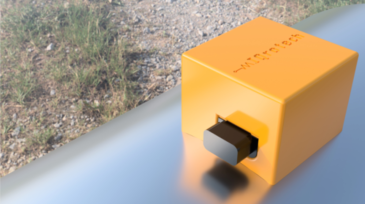
A volatile market, and a shift to more remote operations during the global pandemic has been a catalyst for demand for mIQroTech’s leak-detection technology
-
The E&P subsurface sector today faces the lowest reserve replacement ratios in decades as well as an increasing need to maximize recoverable oil and gas from developed fields.
-
An intelligent drilling optimization application performs as an adaptive autodriller. In the Marcellus Shale, ROP improved 61% and 39% and drilling performance, measured as hours on bottom, improved 25%.
-
Logging-while-drilling remote operations has hit a wall. Since the outbreak of COVID-19, there is an increased demand for personnel with multidisciplinary skill sets to work on offshore rigs. But the demand cannot be satiated.