Digital Oil Field

This research focuses on combining physics-based expert rules with machine learning to improve the detection of failure-related events in electrical submersible pumps.

A combination of physics principles and machine-learning techniques is used in this work to develop a virtual flowmeter for oil-production optimization in electrical-submersible-pump-lifted oil wells, resulting in reliable generalization.

This paper presents the deployment of an artificial intelligence-enabled autonomous gas lift optimization system, integrating real-time centralized advanced process control with cloud-based analytics to enhance artificial gas lift performance in producer wells.
-
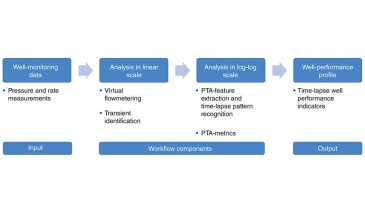
 This paper describes a new integrated workflow for automated well monitoring using pressure and rate measurements obtained with permanent gauges and flowmeters.
 -
Digital transformation presents a crucial opportunity to cut costs across business domains. This review explores unique digital transformation opportunities in the petroleum industry, highlighting valuable business process automations that can drive significant benefits.
-
Both new and old vessels are benefiting from automation processes that can improve operational efficiency, predict downtime, and debottleneck workflows using a flurry of crucial data points.
-
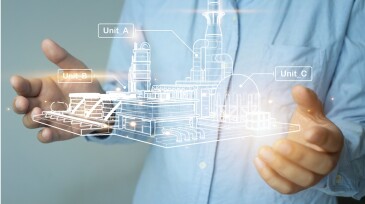
A report from GlobalData shows how digital twins—digital representations of physical assets, systems, people, or processes—are increasingly helping oil and gas companies throughout the life cycle of their operations.
-
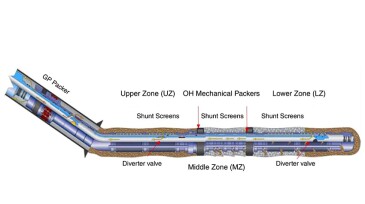
This paper presents the completion strategy implemented in an intelligent well completed in Malaysian deepwater Block K.
-
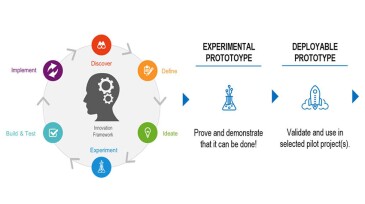
This paper presents the design and development of a prototype intelligent water-injection and smart allocation tool aimed at achieving autonomous waterflood operations.
-
This paper addresses the challenges of integrating huge amounts of data and developing model frameworks and systematic workflows to identify opportunities for production enhancement by choosing the best candidate wells.
-
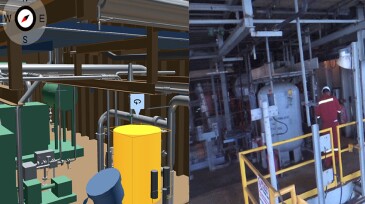
This paper described the use of digital twin technology to identify design modifications required at an onshore site and visualize proposed offshore assets for a Trinidad and Tobago development.
-
From the first supercomputer to generative AI, JPT has followed the advancement of digital technology in the petroleum industry. As the steady march of innovation continues, four experts give their views on the state and future of data science in the industry.
-
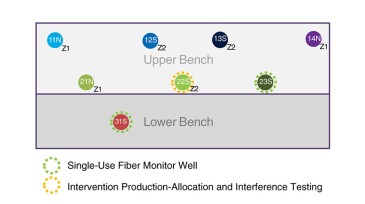
The authors integrated azimuths and intensities recorded by fiber optics and compared them with post-flowback production-allocation and interference testing to identify areas of conductive fractures and offset-well communication.