Drilling automation

This edition highlights three offshore technology papers that address a common industry theme: how targeted engineering solutions can reduce uncertainty, shorten operations, and make technically constrained offshore well activities more executable.

Sponsored
With operators under pressure to deliver more energy with fewer resources, predictable drilling performance is more important than ever. Discover how a unified digital workflow can turn drilling data into better decisions and consistent execution—providing the foundation for autonomous drilling and more predictable, profitable, and productive wells at scale.

Current classifications often do not capture the complexity of autonomy in drilling systems. By integrating concepts from aerospace, control theory, and other high-risk industries, this study presents a quantitative framework for systematically assessing and comparing levels of drilling autonomy.
-
 Drillers are working to find ways to break some bad data habits. Those problems can range from the use of multiple formulas to calculate mechanical specific energy to timekeeping systems where the clocks and the time records are often off.
 -
Industry experts from Fugro analyze what the future holds for offshore energy fields and how the industry can embrace and prepare itself for an autonomous and digital future.
-
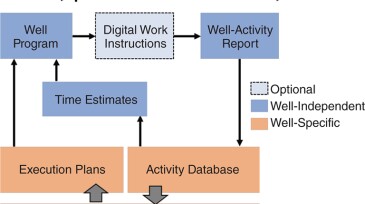
An operator has redefined onsite operations reporting through the development of a standardized set of reporting activity codes as the backbone of a standardized digital well-design and execution process.
-
Drilling automation champions met to identify where this emerging technology needs to be by the end of the decade. What they ended up agreeing on most was that the business models used today are largely incompatible with the technology of the future.
-
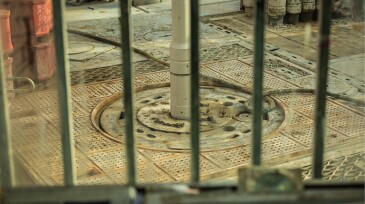
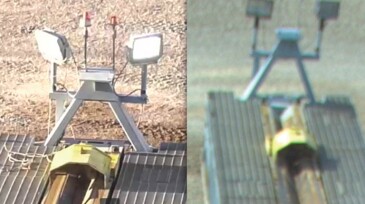
A pilot application using computer vision technology has been created to count and measure the pipe entering the wellbore and detect personnel movement in the red zone during pipe-delivery operations.
-
This paper discusses the results of driller stress tests and the implementation of a system that assists the operator in kick detection, space out, and preparation for well shut-in.
-
The authors describe a drilling-systems automation roadmap for a transition from humans to automation in the general drilling space.
-
The authors describe a platform that integrates advanced data analytics and hydraulic modeling in real time for managed-pressure-drilling applications.
-
Totally automated drilling today looks like a robot doing all the heavy lifting on a drilling floor. By 2025, there may no longer be anything surprising about it.
-
A supervised machine-learning algorithm is developed to classify drilling parameters that increase rate of penetration and bit endurance for use in unconventional fields in Australia.