Drilling

This edition highlights three offshore technology papers that address a common industry theme: how targeted engineering solutions can reduce uncertainty, shorten operations, and make technically constrained offshore well activities more executable.

This paper aims to establish a set of best practices for generating particle-size-distribution data from core samples.

This paper discusses the successful execution of two openhole gravel-pack completions in two Gulf of Mexico fields with depleted reservoirs.
-
 SponsoredWith more surface facilities and infrastructure in oil and gas fields, well casing integrity is becoming an even bigger challenge. This article sheds light on the optimum way to deal with the increasing casing integrity challenges in the Middle East through field monitoring and time-lapse casing-integrity and corrosion-inspection logging.
 -
The well was spudded from the new Azeri Central East platform in the giant ACG field in the Caspian Sea.
-
This paper describes an 18-month intensive continuous improvement process between an operator, a rig contractor, and bottomhole-assembly (BHA) service providers aimed at reducing BHAs per well in two Oklahoma rigs.
-
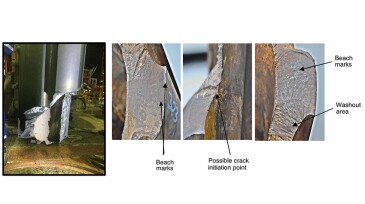
This paper presents the study, resulting recommendations, and a proposed change in standard bottomhole-assembly configurations to reduce service-quality-compromising incidents and productive time lost from jar twistoffs.
-
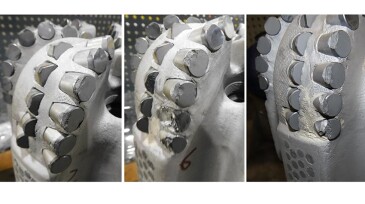
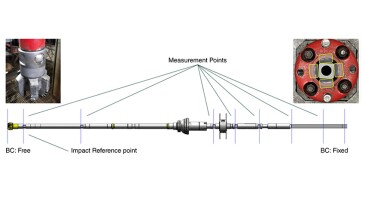
This paper discusses a full-scale drilling test rig that allows comprehensive study of the influences of bit characteristics on high-frequency torsional oscillations (HFTO) for the first time.
-
As bottomhole-assembly and drill-bit design and operation have embraced new technologies such as artificial intelligence, new materials and manufacturing techniques, and improved design software, the industry continues to research methods of optimizing delivery and understanding of already globally used technologies.
-
Few oil and gas companies give data science projects the better part of a decade to prove out, but that’s just what this one did.
-
An estimated $35 billion in investment is expected to pour into geothermal projects in Kenya and Ethiopia through 2050.
-
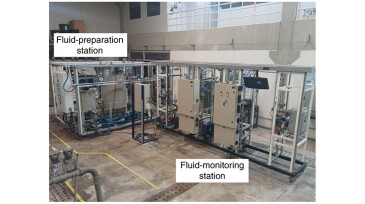
This paper presents the concept of a supervisory and advisory system dedicated to support the detection of abnormal events and to provide guidelines for fluid treatment.
-
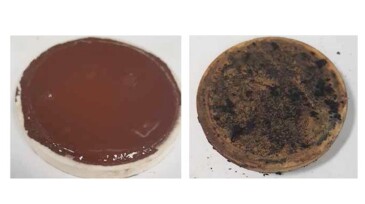
This paper describes the success of using a new low-equivalent-circulating-density organophilic clay-free inverted emulsion fluid in gas reservoirs at elevated temperatures and with differential pressures up to 4,500 psi.