Drilling

This paper presents a study that confirms glass-reinforced-epoxy-lined tubing as a reliable, cost-effective solution for long-term water-injection service in moderate-salinity offshore environments.

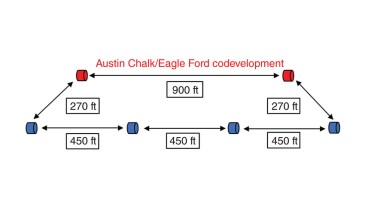
This paper presents findings reinforcing the argument that acid fracturing is a strong alternative stimulation method to improve productivity in the Austin Chalk formation.

This paper aims to assess the effectiveness of using advanced integrated production-data-analysis techniques for condensate-rich tight gas fields.
-
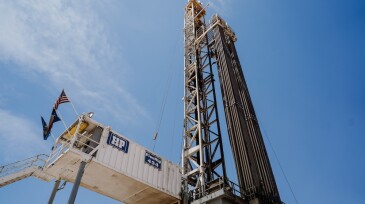
 The highly anticipated SPE/IADC Asia Pacific Drilling Technology Conference was held in Bangkok and gathered over 1,000 professionals from the drilling and well technology communities across more than 30 countries.
 -
The company has agreed using its innovations in automation in an effort to derisk ultradeep offshore drilling for the Brazilian national oil company.
-
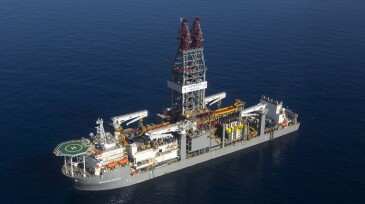
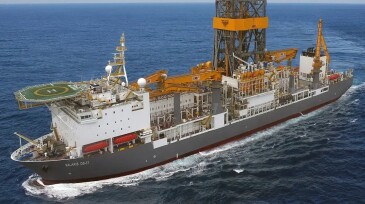
The operator will utilize drillship Deepwater Invictus for both development and exploration drilling under a 3-year pact.
-
his paper presents research and application of a sustainable, low-density geopolymer alternative to Portland cement for cementing applications in low-temperature wells.
-
A new partnership aims to leverage technology developed for geothermal wells to create a new drilling system for complex offshore wells.
-
The acquisition marks a significant step forward in H&P’s international expansion strategy.
-
In addition to securing the rig, Equinor has, on behalf of the partners, awarded SLB, Baker Hughes, and Halliburton agreements for drilling and well services for the Raia project worth around $109 million.
-
The RoboWell technology for well control will be available globally through Halliburton’s Landmark iEnergy hybrid cloud.
-
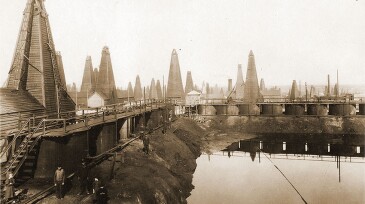
As Azerbaijan prepares to host COP29, JPT looks back at how the country prospered for millennia on its largess of oil and gas and its unique geography along the ancient Silk Road that today is traversed by pipelines delivering gas and oil to Europe from the depths of the Caspian Sea.
-
The authors investigate the utility of applying unconventional technology to low- or variably producing carbonate reservoirs to increase estimated ultimate recovery and decrease development-scale variability.