Drilling

Sponsored
This case study by CNOOC and Halliburton highlights how enhanced multizone sand control treats eight unequal zones in one trip and reduces completion time by 60 hours in Bohai Bay, China.

US buyers are looking for extra shale inventory and added another $18 billion in purchases in October alone.

This paper presents the application of degradable particulate-diverter technology to improve oil production by effectively diverting stimulation treatment fluids away from high-water-cut, high-permeability, high-temperature producing intervals or zones.
-
 The authors describe a laboratory method for measuring cement expansion that has been used to evaluate the total bulk volume change of cement based on curing in a dry environment and in water.
-
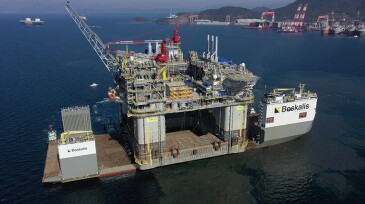
As the number of discoveries goes down and headwinds increase, the days of the US Gulf of Mexico megaproject could be numbered.
-
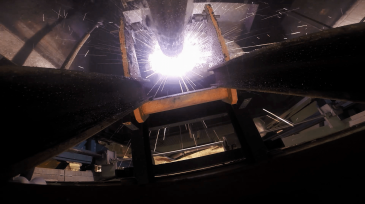
Founded in 2008, GA Drilling is developing plasma-based tools to achieve drilling speeds that are about three times faster than what conventional bit technology has historically achieved.
-
The DOI guidance explains how states can apply for the first $775 million in grant funding available this year under the Bipartisan Infrastructure Law to create jobs cleaning up polluted and unsafe orphaned oil and gas wellsites across the country.
-
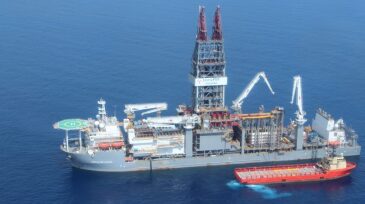
The DS-16 is one of four Valaris rigs undergoing reactivation work for new drilling contracts.
-
Drillers are feeling good about higher oil prices, but only to a point.
-
SPE Technical Directors Silviu Livescu and David Reid talk about the intersection of AI and drilling.
-
The paper provides information to engineers for selecting high-viscosity friction reducers and describes a methodology for evaluating damage potential and proppant transport.
-
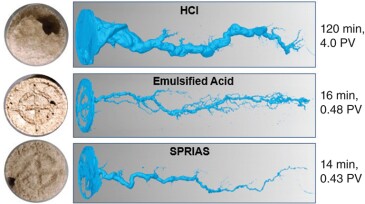
The authors describe the benefits of a single-phase retarded inorganic acid system, which they write features the same benefits as emulsified acids while eliminating the drawbacks of the latter.
-
The adage “prevention is better than cure” is the first thing we consider regarding formation damage, but how prepared we are for the treatment and cure to allow a well to perform to its full productivity or injectivity potential? And how can digital tools be an effective enabler?