Drilling

This guest editorial addresses the need for high-temperature directional drilling technologies as the number of rigs used to develop next-generation geothermal wells is set to rise in the coming years.
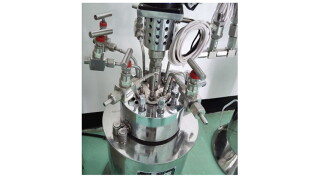
This study aims to systematically assess casing integrity and corrosion risks associated with CO2 injection in oil-recovery operations.

This paper presents findings reinforcing the argument that acid fracturing is a strong alternative stimulation method to improve productivity in the Austin Chalk formation.
-
 Correct placement of the rotary-speed sweet spot of a bottomhole assembly (BHA) provides multiple benefits toward achieving the ultimate goal of drilling to section total depth in a single trip.
 -
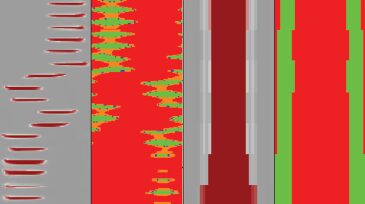
Microdoglegs are a natural effect of any vertical or directional well that can explain a wide variety of downhole problems.
-
A new fatigue-management work flow provides drillers with a tool to simulate and predict the life expectancy of bottomhole assemblies (BHAs) before fatigue causes problems.
-
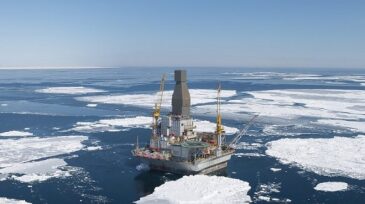
Advancements in extended-reach drilling continue from the ExxonMobil-operated Sakhalin-1 project. The latest “super complex” horizontal well stretches 15,000 m, which partner Rosneft says is a “world record.”
-
Drilling in high-pressure/high-temperature conditions poses numerous challenges. Drilling fluid is subjected to extreme pressure and temperature, and its properties such as viscosity are affected strongly by pressure and temperature. Viscosity decreases with temperature and increases with pressure.
-
The effects of adding iron oxide NPs on the rheological and filtration properties of aqueous bentonite suspensions have been studied by several researchers.
-
Researchers have developed a novel water-based-drilling-fluid system compatible with deepwater HP/HT wells in the Lingshui Block on the basis of a conventional drilling fluid and further optimization.
-
new drilling method provides a solution for challenges encountered in drilling of long horizontal wells, incorporating a dual drillstring with a separate channel for the return fluid from the well.
-
The complete paper discusses the advancements in mud-displacement simulation that overcome the limitations of the previous-generation simulator and provide a more-realistic simulation in highly deviated and horizontal wells.
-
A supramolecular viscosifier package has been developed that uses noncovalent associations between additives to enhance the thermal resilience of divalent brine fluids.