Drilling

This paper presents a study that confirms glass-reinforced-epoxy-lined tubing as a reliable, cost-effective solution for long-term water-injection service in moderate-salinity offshore environments.
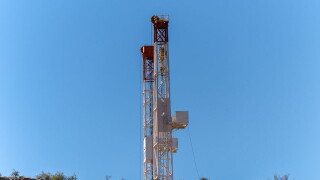
Output is rising fast in the South American shale play and putting Argentina on a course to soon reach 1 million B/D.

This guest editorial addresses the need for high-temperature directional drilling technologies as the number of rigs used to develop next-generation geothermal wells is set to rise in the coming years.
-
 Advanced horizontal drilling, multistage hydraulic fracturing, and other technologies have helped make the Vaca Muerta shale oil and gas resource economically viable.
 -
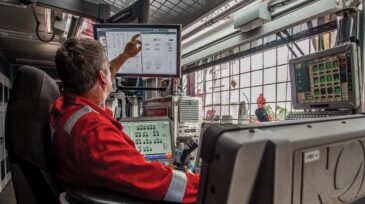
A new process system compatible with all types of drilling rigs is opening the door to wider adoption of drilling automation in North America’s shale sector.
-
Brazing technology allows metallurgical joining of dissimilar materials by use of a filler material.
-
The offshore drilling sector has taken a step towards consolidating an oversupplied market and Ensco will emerge from this most recent deal as the owner of the largest combined fleet of floaters and jackups.
-
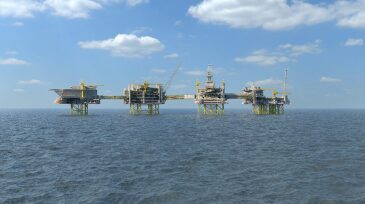
By creating a different sort of partnership for a drilling project with close cooperation and greater efficiency built into every detail, including the contracts, Statoil was able to halve the cost of drilling eight wells at its Johan Sverdrup field.
-
Along its journey to full-automation, the US drilling sector is facing a series of important crossroads that will determine what the so-called “rig of the future” really will be.
-
This paper presents a critical review of the recent literature to determine the status of research and development and field application of nanotechnology in the oil field.
-
The quick turnaround times and low-risk nature of shale developments need to be replicated in the deepwater business, according to the CEO of Murphy Oil.
-
Despite cement’s remarkable properties, the search continues for enhancements in the areas of cost and isolation performance. Efficiencies and enhancements have been explored even to the point of replacing cement with other materials.
-
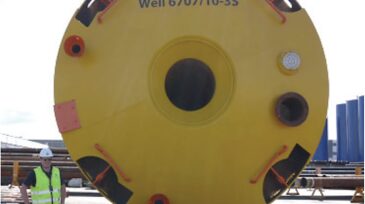
The conductor anchor node (CAN) technology was introduced as part of the architecture for Centrica’s Ivory deepwater exploration well in the Norwegian Sea to optimize efficient operations for the well’s riserless section.