Drilling

This edition highlights three offshore technology papers that address a common industry theme: how targeted engineering solutions can reduce uncertainty, shorten operations, and make technically constrained offshore well activities more executable.

This paper aims to establish a set of best practices for generating particle-size-distribution data from core samples.

This paper discusses the successful execution of two openhole gravel-pack completions in two Gulf of Mexico fields with depleted reservoirs.
-
 To address key root causes, proactive initiatives such as audits, inspections, visibility tours, hazard reporting, and contractor management engagement workshops were initiated to focus on enhancing work planning, effective supervision, and risk assessment.
 -
The oilfield services company's Tubular Running Service was recognized for reducing costs, maximizing safety.
-
Two intelligence groups share similar views on how the fallout from the COVID-19 pandemic has impacted OFS companies’ valuations and operations.
-
Two discoveries offshore Mexico add to April’s finding in the Norwegian Sea.
-
The cementing services market size in the US is expected to drop 50% year-on-year from 2019. The significant drop in Permian Basin activity will account for 40% of the total market size reduction.
-
Although multilateral and long-reach wells are common, the technological development is not complete. Effective implementation of digital technology requires complementary development of the technology itself.
-
A real-time deep-learning model is proposed to classify the volume of cuttings from a shale shaker on an offshore drilling rig by analyzing the real-time monitoring video stream.
-
This paper describes the analysis of sidetracks drilled in an open hole by an annular ledge formation method with a downhole motor in multilateral wells.
-
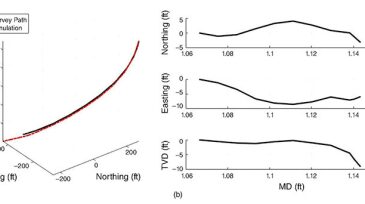
The amount of uncertainty related to directional drilling makes accurate drilling challenging, leaving much to human know-how and interpretation. Additionally, few path-planning methods in the literature consider the directional steering tool being used.
-
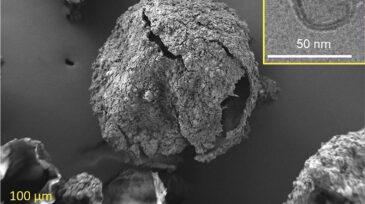
In the complete paper, a novel system that uses engineered features of permeable polymeric shell walls for the controlled release of encapsulated cargo is described.