Emission management

TotalEnergies signed off for 30% operated stakes in the Lang Lebah and B14 gas fields offshore Sarawak on the sidelines of ADIPEC in Abu Dhabi, while also highlighting methane-reduction partnerships in Angola, India, and Southeast Asia.

More than half of 2025’s emissions reductions came from action at operating facilities, helping drive a 7% annual decline and a 37% drop since 2018.

This paper presents a flexible, highly cost- and energy-efficient method of gas separation and CO₂ capture from many different gas mixtures with a large range of CO₂ concentrations.
-
 In the search for leaks, more oil and gas companies are making the argument that ground-based inspections cannot compete with aerial surveys.
-
Bob Pearson shares his thoughts on the repurposing or abandonment and decommissioning of wells that are unlikely to be repurposed or pose an environmental risk with emissions into the atmosphere or aquifers.
-
SPE has established three new technical sections—the Management Technical Section, the Methane Emissions Management Technical Section, and the Data Science & Engineering Analytics Technical Section.
-
The new-generation FPSO will minimize emissions with carbon capture and reinjection as well as energy-recovery capabilities.
-
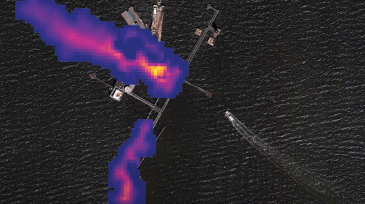
Airborne emissions surveys of offshore oil and gas facilities are not as common as those done onshore. A recent study suggests that needs to change.
-
The assumption of lower emissions from natural gas only holds true when the methane leaks and flaring are addressed. Mitigation of methane emissions offers an opportunity for the oil and gas industry to drastically reduce overall emissions that are typically reported on a CO2-equivalent basis. Some producers opt to showcase their good performance via voluntary certifi…
-
Chevron assets in Texas and Colorado have earned high marks for control of methane emissions under a pilot program with Project Canary, paving the way for its sale of responsibly sourced gas.
-
An emissions-reduction study conducted for a Middle East operator identified potential annual savings of $10 million–$15 million, a 20% decrease in total Scope 1 CO2eq emissions, and 10 MW of energy reduction and delivered more than 100 recommendations for both technical and internal framework improvements.
-
The suite of tools includes a digital platform for sharing emissions data, an agreed set of definitions that nails down what different terms mean, a single set of metadata definitions, and an API through which users can access data. When used together, these tools provide an integrated perspective on what emissions are coming from where.
-
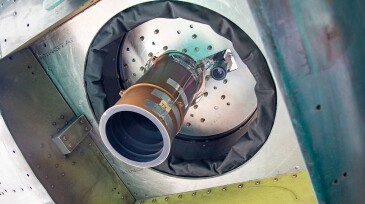
A trio of new satellites that use infrared sensor technology are now flying around the Earth at a speed faster than 4 miles per second.