Energy transition

This paper presents a flexible, highly cost- and energy-efficient method of gas separation and CO₂ capture from many different gas mixtures with a large range of CO₂ concentrations.

This study explores the carbon-capture and mineralization potential of ultramafic rock powders when exposed to flue gases generated from combustion of crude oil and mesquite-derived charcoal.

This paper introduces channel stacking, a novel and efficient methodology designed to significantly improve optical gas imaging-based leak detection.
-
 Sharing state-of-the-art design and troubleshooting methods, the workshop identified future separation needs and gap statements and proposed how to close the gaps.
 -
Hot rock is found worldwide, but the methods used to generate energy from it vary.
-
This paper examines the economics of carbon capture, usage, and storage projects, either standalone or in conjunction with large offshore gas projects, in Denmark, Indonesia, and Australia.
-
This paper describes the development of guidelines to determine the most suitable corrosion-resistant alloys for downhole injection equipment in wells for carbon capture and storage and carbon capture, use, and storage.
-
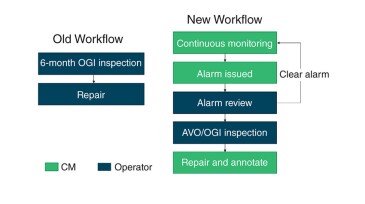
This paper examines how data-science-driven work practices can result in substantial reductions in methane emissions compared with other leak-detection and -repair methods.
-
The USGS has said up to 19 million tons of lithium resource is contained in the briny waters of the Smackover formation in Arkansas.
-
Wood Mackenzie analysis projects a full repeal of the Inflation Reduction Act is unlikely, while industry proponents urge permitting overhaul and loosening of burdensome regulations.
-
Speaking at this year's ADIPEC, leaders from BP, Shell, Petronas, ADNOC, and Eni said the energy transition must become profitable and that AI will likely play a key role.
-
The road to a low-carbon world is paved with more than just shiny new facilities and the promise to deliver impressive CO₂ reductions from the atmosphere. Without the software to site, monitor, and maintain those facilities, the drive for net zero would be stuck in neutral.
-
Undergraduate education in petroleum engineering has survived the latest downturn in the industry, and enrollment has started to show an uptick in numbers. However, a different trend is evident in graduate training and academic research: the number of researchers being trained in oil and gas topics is drastically dropping.