Energy transition

This paper presents a flexible, highly cost- and energy-efficient method of gas separation and CO₂ capture from many different gas mixtures with a large range of CO₂ concentrations.

This study explores the carbon-capture and mineralization potential of ultramafic rock powders when exposed to flue gases generated from combustion of crude oil and mesquite-derived charcoal.

After years of market shocks, technological breakthroughs, and rising uncertainty, ATCE 2026 will provide new insights on how industry leaders and technical experts are preparing for the next era of the upstream business.
-
 Sharing state-of-the-art design and troubleshooting methods, the workshop identified future separation needs and gap statements and proposed how to close the gaps.
 -
Hot rock is found worldwide, but the methods used to generate energy from it vary.
-
This paper describes the development of guidelines to determine the most suitable corrosion-resistant alloys for downhole injection equipment in wells for carbon capture and storage and carbon capture, use, and storage.
-
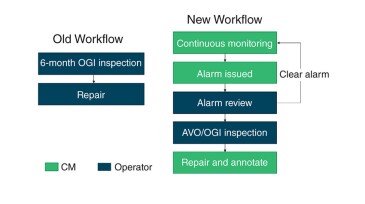
This paper examines how data-science-driven work practices can result in substantial reductions in methane emissions compared with other leak-detection and -repair methods.
-
This paper examines the economics of carbon capture, usage, and storage projects, either standalone or in conjunction with large offshore gas projects, in Denmark, Indonesia, and Australia.
-
The USGS has said up to 19 million tons of lithium resource is contained in the briny waters of the Smackover formation in Arkansas.
-
Wood Mackenzie analysis projects a full repeal of the Inflation Reduction Act is unlikely, while industry proponents urge permitting overhaul and loosening of burdensome regulations.
-
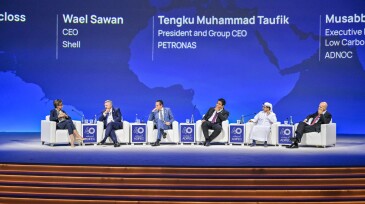
Speaking at this year's ADIPEC, leaders from BP, Shell, Petronas, ADNOC, and Eni said the energy transition must become profitable and that AI will likely play a key role.
-
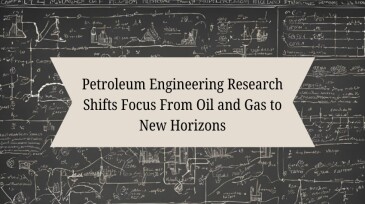
Undergraduate education in petroleum engineering has survived the latest downturn in the industry, and enrollment has started to show an uptick in numbers. However, a different trend is evident in graduate training and academic research: the number of researchers being trained in oil and gas topics is drastically dropping.
-
This paper describes a project in the heavy oil Captain field in the UK sector of the North Sea in which reduced environmental impact dovetails with improved economics.