Energy transition

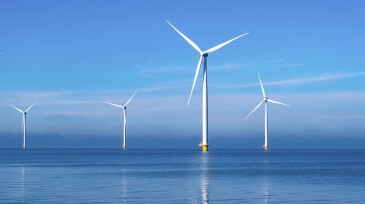
DNV notes that energy and industrial process-related carbon emissions will have dropped by 2050 by only 44% from today’s level, not even halfway to the net-zero pledge envisioned by the Paris climate agreement.

This study investigates the potential for in-situ hydrogen generation from hydrocarbons using in-situ combustion, with particular emphasis on the role of kerogen content and heating mode.

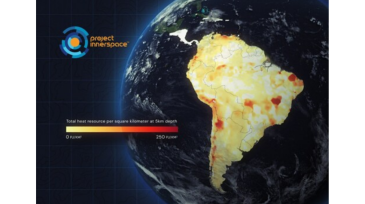
The new publication, created with the support of and in partnership with Project InnerSpace, looks at all aspects of the burgeoning geothermal industry.
-
 The global oilfield service company is working with Ormat Technologies to boost its integrated geothermal business.
-
A resilience-based approach to safety was the focus of a panel of experts at the 2025 SPE Annual Technical Conference and Exhibition in Houston.
-
Industry leaders speaking during the opening plenary session at SPE’s Annual Technical Conference and Exhibition say they are optimistic yet pragmatic about delivering energy amid the energy transition.
-
APOGCE 2025 set the stage for strategic dialogues on how Asia Pacific’s upstream industry can innovate, invest, and collaborate to meet growing energy demand while advancing net-zero goals.
-
DNV projects the energy transition will be marginally slower than what it forecast last year, both in terms of emissions and in fossil fuel’s share of primary energy.
-
The freely accessible online platform is the latest in a series of maps designed to reveal the continent’s untapped geothermal potential.
-
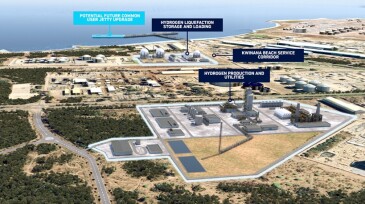
Australia’s H2Perth blue and green hybrid hydrogen project is expected to benefit from carbon credits from the offshore Bonaparte carbon storage facility where Inpex and TotalEnergies are drilling appraisal wells together with Woodside.
-
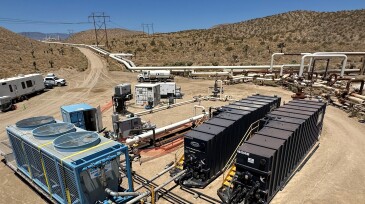
The company announced that its geothermal system operated for more than 3,000 hours, which it said validates the technology’s commercial potential.
-
This study recommends favoring the combustion of ammonia over hydrogen for the purpose of reducing CO₂ and nitrogen emissions.
-
The supermajor’s Energy Outlook 2025 suggests geopolitical fragmentation could tilt the balance of the energy trilemma toward energy security and away from sustainability.