Energy transition

This study investigates the potential for in-situ hydrogen generation from hydrocarbons using in-situ combustion, with particular emphasis on the role of kerogen content and heating mode.

The new publication, created with the support of and in partnership with Project InnerSpace, looks at all aspects of the burgeoning geothermal industry.

The GRMS system of standardization and classification for geothermal resources, led by a coalition of stakeholders in collaboration with Project InnerSpace and the Society of Petroleum Engineers, will be published in November.
-
 High energy prices and a greater focus on energy security will not slow the world’s long-term ambition for a low‑carbon future. However, annual analysis by DNV believes unprecedented pressure is reinforcing a two‑speed energy transition.
-
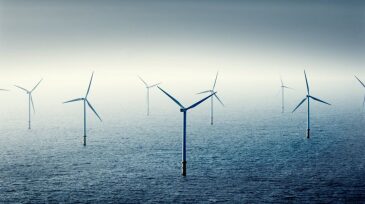
The gathering’s goal is to install 120 GW of wind power in the North Sea by 2030.
-
Several options exist for large-scale hydrogen underground storage: lined caverns, salt domes, saline aquifers, and depleted oil/gas reservoirs. In this paper, a commercial reservoir simulator was used to model cyclic injection/withdrawal from saline aquifers and depleted oil/gas reservoirs. The results revealed the need to contain the stored volume with an integrated…
-
Also: A report says Bitcoin mining could ease emissions. Haliburton is accelerating its clean-energy efforts, while insurer Chubb cracks down on methane. ExxonMobil and Linde team up in Texas. Shell plans to limit CO2 emissions in Dutch plants, and Drax presses pause on bioenergy in the UK.
-
The large US shale producer has officially entered into the renewable energy sector with its largest venture investment yet.
-
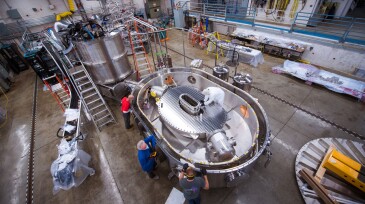
The strategic agreement puts the partners’ joint activities on a more certain path to connecting the first fusion power plant based on magnetic confinement to the electrical grid by early 2030.
-
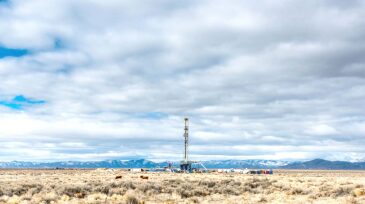
Two US test sites have fractured hot, dry rock with plans to create a network of fractures for water heating. They will soon find out if the fractures worked as expected.
-
The coupled geomechanical and dynamic flow simulation work flow described in this paper relies on a multidisciplinary approach to meet future peak gas demands and support clean-energy initiatives.
-
The technology and knowledge base of the E&P sector is poised to play a major role in the newer, lower-carbon energy economy.
-
The industry continues its move toward energy transition, demonstrating different stages among companies. These industry changes are affecting our current and future members, and SPE is working to provide guidance and education to our members through many avenues.