Energy transition

This paper presents a flexible, highly cost- and energy-efficient method of gas separation and CO2 capture from many different gas mixtures with a large range of CO2 concentrations.

This study explores the carbon-capture and mineralization potential of ultramafic rock powders when exposed to flue gases generated from combustion of crude oil and mesquite-derived charcoal.

This paper introduces channel stacking, a novel and efficient methodology designed to significantly improve optical gas imaging-based leak detection.
-
 Our shifting energy landscape requires a new way to measure the amount of energy that can be extracted from any given source against the energy required to produce and distribute it.
 -
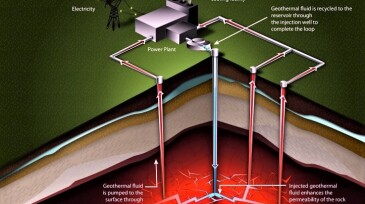
Fracturing hot rock to create a geological water-heating system is like fracturing an oil well, but for a different purpose, so is proppant really necessary?
-
When confronted by extremely hot wells drilled into hard rock, engineers start looking for new tools and then ask, is there a cheaper option?
-
Geothermal energy is bidding to emerge from its dark horse status in Texas and become a possible solution of choice for some renewable applications.
-
Wind projects take center stage around the world, while Canada finalizes a geothermal energy project. In Finland, construction begins on the country’s first industrial-scale green hydrogen facility.
-
Wood Mackenzie said "advantaged barrels" that are cheap to extract and with low emissions represent less than a third of untapped resources.
-
New funding aims to launch up to seven pilots to help expand the deployment of enhanced geothermal systems.
-
The funding is for 33 research and development projects which will tackle the technical challenges of capturing CO2.
-
The use of artificial intelligence in the clean energy sector increases the availability and accessibility of clean energy, making it a more viable and cost-effective alternative to traditional energy sources.
-
When it comes to workers’ salaries in oil and gas vs. clean energy, how does their compensation compare? The answer depends on the roles of workers and their locations, qualifications, experience, training—and personal decisions.