Environment
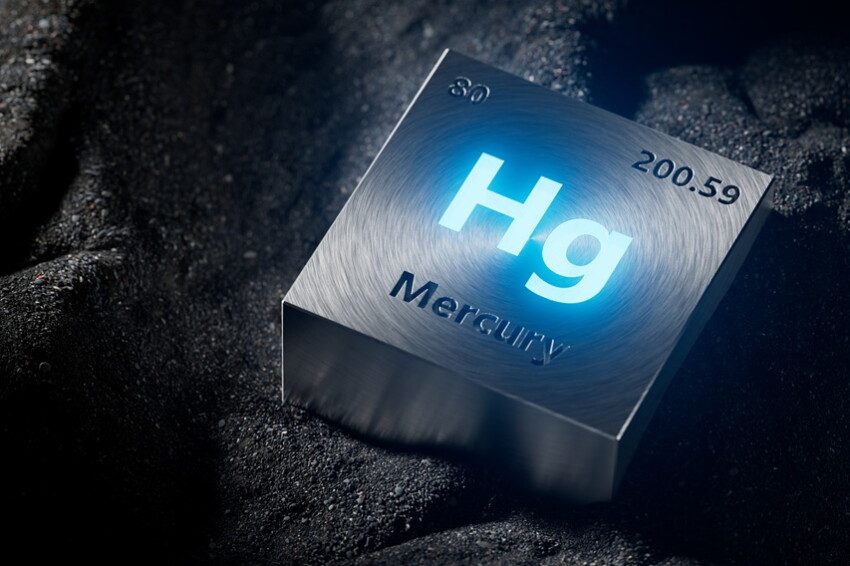
A laboratory research study evaluates several different chemical injection concepts for the removal of elemental mercury from multiphase flow.

Experts and industry leaders gathered in The Woodlands, Texas, recently to sift through the challenges of carbon capture, utilization, and storage. The puzzle is coming together, but some critical pieces are still needed before the results look like the picture on the box.

This article from the SPE Sustainable Development Technical Section (SDTS) explores how the next phase of methane performance will be defined less by pledges and more by measurement, response, and verifiable results.
-
 A new study that analyzed 17 years of migratory bird-nesting data in Prudhoe Bay, Alaska, revealed that nest survival decreased significantly near high-use oil and gas infrastructure and its related noise, dust, traffic, air pollution, and other disturbances.
 -
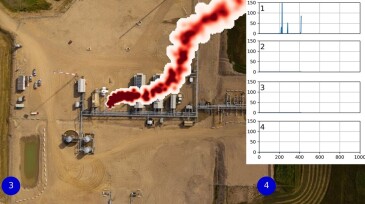
The authors of this paper describe a continuous monitoring system based on the Internet of Things (IoT) to use methane-concentration sensors permanently installed at facilities and connected to a cloud-based interpretation platform.
-
With the methane emissions tax contained in the Inflation Reduction Act looming, confusion reigns over just how to calculate emissions and concerns grow the tax will hit smaller and mid-size companies hardest.
-
The Center for Western Priorities’ annual Western Oil and Gas Spills Tracker report shows that Colorado’s oil and gas industry is trending in the wrong direction on drilling-related spills.
-
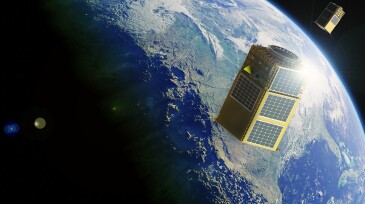
Six satellites are expected to be launched this year to form a constellation aimed at combating emissions along oil and gas pipelines.
-
The Bureau of Ocean Energy Management says the increase is needed to keep pace with inflation.
-
Regulators told some injection well operators close to the epicenter of a magnitude 4.0 earthquake that they will have to shut down their operations indefinitely.
-
In August 2020, scientists spent 10 days doing airborne surveys of more than 50 platforms in the Gulf of Mexico. Their results revealed a climate impact twice as large as that estimated by government inventories.
-
New research reveals waste water injected underground by fossil fuel operators caused a magnitude 5.6 earthquake in November 2022 in the Peace River area of Alberta’s oil sands region.
-
The Permian-based company has committed to being part of the United Nations flagship reporting program.