Environment
A laboratory research study evaluates several different chemical injection concepts for the removal of elemental mercury from multiphase flow.

Experts and industry leaders gathered in The Woodlands, Texas, recently to sift through the challenges of carbon capture, utilization, and storage. The puzzle is coming together, but some critical pieces are still needed before the results look like the picture on the box.

This article from the SPE Sustainable Development Technical Section (SDTS) explores how the next phase of methane performance will be defined less by pledges and more by measurement, response, and verifiable results.
-
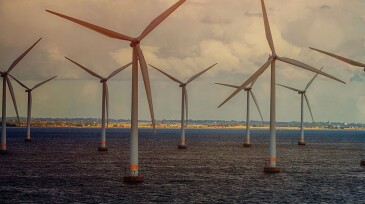
 Although 2022 did not match 2021’s record of over 19.5 GW of online capacity, 2022 witnessed the second highest amount of global online capacity with almost 8.5 GW. Final investment decisions (FIDs) were taken on over 11.5 GW of projects, making it the fourth highest year for FIDs.
 -
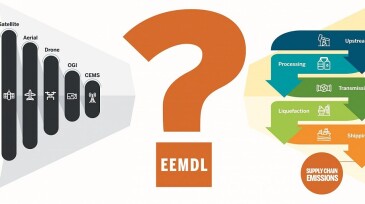
The University of Texas at Austin will be home to a multidisciplinary research and education initiative, the Energy Emissions Modeling and Data Lab, which aims to address the growing need for accurate, timely, and clear accounting of greenhouse-gas emissions across global oil and natural gas supply chains.
-
The past year has been a challenging one for companies on the ESG front. Overlapping environmental, social, and political crises—from flooding and wildfires to the first war in Europe in 80 years—have made the jobs of leaders that much harder.
-
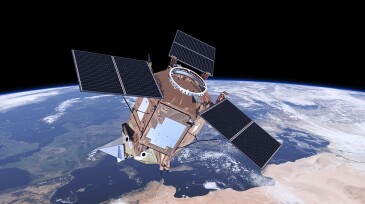
Satellite imaging of methane emissions offers the fossil fuel industry the empirical data it needs to fix problems that companies might not even know they have before the EPA starts to levy fines in 2024.
-
Roughly 190 nations, aiming to halt a dangerous decline in biodiversity, agreed to preserve 30% of the planet’s land and seas. The United States is not officially a participant.
-
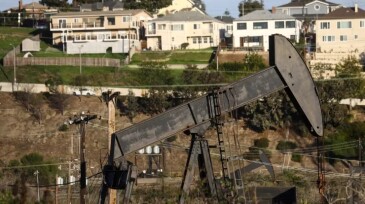
In a 12-0 vote, the Los Angeles City Council approved an ordinance that will immediately ban new oil extraction and shut down existing operations within 20 years. The historic decision comes after years of complaints by residents about how pollution from nearby drilling has caused them health issues.
-
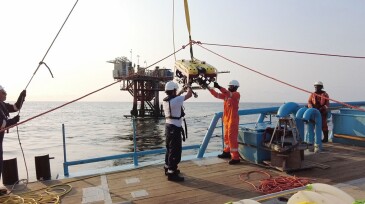
The Seaeye Falcon underwater robot is being used in the decommissioning and repurposing of an oil rig offshore Angola.
-
The new listing aims to prevent further loss of habitat for the flamboyant, stocky birds, which have drastically dwindled in population.
-
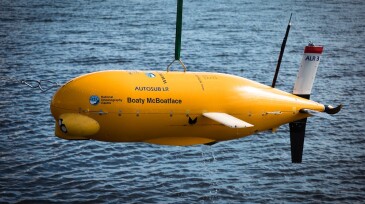
A recent mission that saw the robot submarine Autosub Long Range, better known as "Boaty McBoatface," explore and visually map end-of-life oil fields has been hailed as a success.
-
Data from member companies reveals an increased intensity in greenhouse-gas emissions for 2021. And, while flaring increased, too, long-term trends on that practice are clearly moving downward.