Environment
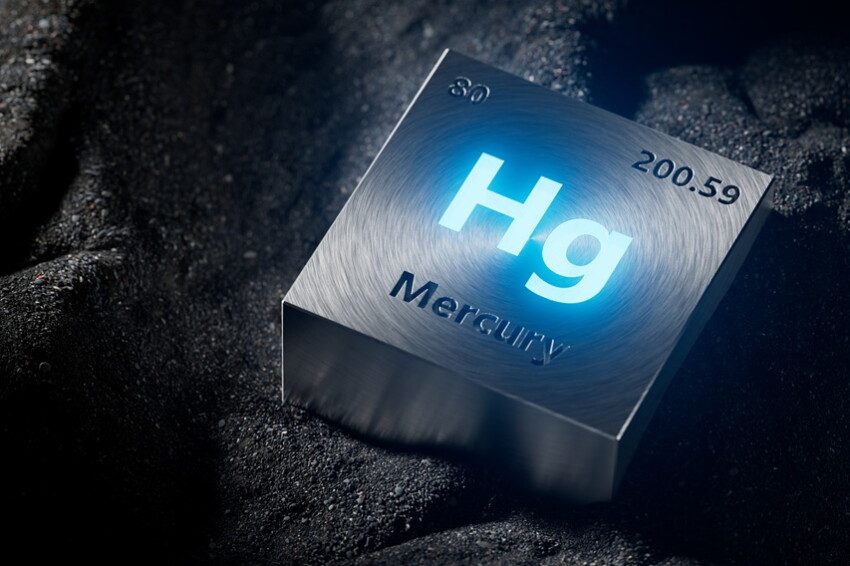
A laboratory research study evaluates several different chemical injection concepts for the removal of elemental mercury from multiphase flow.

Experts and industry leaders gathered in The Woodlands, Texas, recently to sift through the challenges of carbon capture, utilization, and storage. The puzzle is coming together, but some critical pieces are still needed before the results look like the picture on the box.

This article from the SPE Sustainable Development Technical Section (SDTS) explores how the next phase of methane performance will be defined less by pledges and more by measurement, response, and verifiable results.
-
 Trafigura, a group of physical commodity trading companies, and Palantir Technologies announced their intent to develop a platform to calculate carbon intensity, combining the efforts of trading and digital technology to account for Scope 3 emissions. The aim is to increase transparency of life-cycle emissions and to provide benchmarking against other market participa…
 -
This study provides a comprehensive overview of the current status of renewable-energy resources, energy-transition efforts, and the future of conventional and unconventional oil and gas resources in California.
-
The rule would require publicly traded companies to report not only their greenhouse-gas emissions but also their approach to managing climate change, likely setting up a long legal fight.
-
In a new TEDx Talk, Scott Tinker, director of the Bureau of Economic Geology, explains the energy-environment challenge facing a world in transition.
-
As climate change threatens reefs with bleaching, Danish energy company Ørsted is looking at growing noninvasive coral on offshore wind turbine foundations.
-
ExxonMobil has won an independent certification level for managing methane emissions in its New Mexico shale operations and is the first company to meet the standard for associated gas.
-
The Biden administration reversed a Trump administration plan that would have allowed the government to lease more than two-thirds of the country’s largest swath of public land to oil and gas drilling.
-
The US oil and gas company said it signed a letter of intent with the US midstream operator to explore commercializing a CO2 transportation and storage network.
-
A rule finalized by the White House will require agencies to assess the climate impact of roads, pipelines, and other infrastructure.
-
Gas flaring, which accounts for 30% of carbon emissions from fossil-fuel operations, dropped globally to a 10-year low in 2021, but questions remain whether 2022 will see a rebound as the industry reboots in a post-COVID-19 world with oil and gas supplies tightening.